At the same time, fast-fashion brands continue to release new collections at an increasingly rapid pace, while social media influencers fill Instagram and TikTok with endless “fall outfit” inspiration. The result can be an unrealistic impression that looking stylish requires a new outfit for every day of the month, several coats, countless pairs of boots and a sweater in every possible colour.
There is nothing wrong with enjoying fashion or experimenting with new trends. In fact, the growing interest in clothes and personal style among young men and women can be a positive thing, especially as fashion becomes less associated exclusively with women. But somewhere between inspiration and consumption, it is worth asking whether we really need everything we are constantly being told we need. A wardrobe does not have to contain 15 coats or 20 pairs of boots to offer variety, and one does not need the same sweater in every shade to create different looks.
This is where the idea of classic staples becomes particularly relevant.
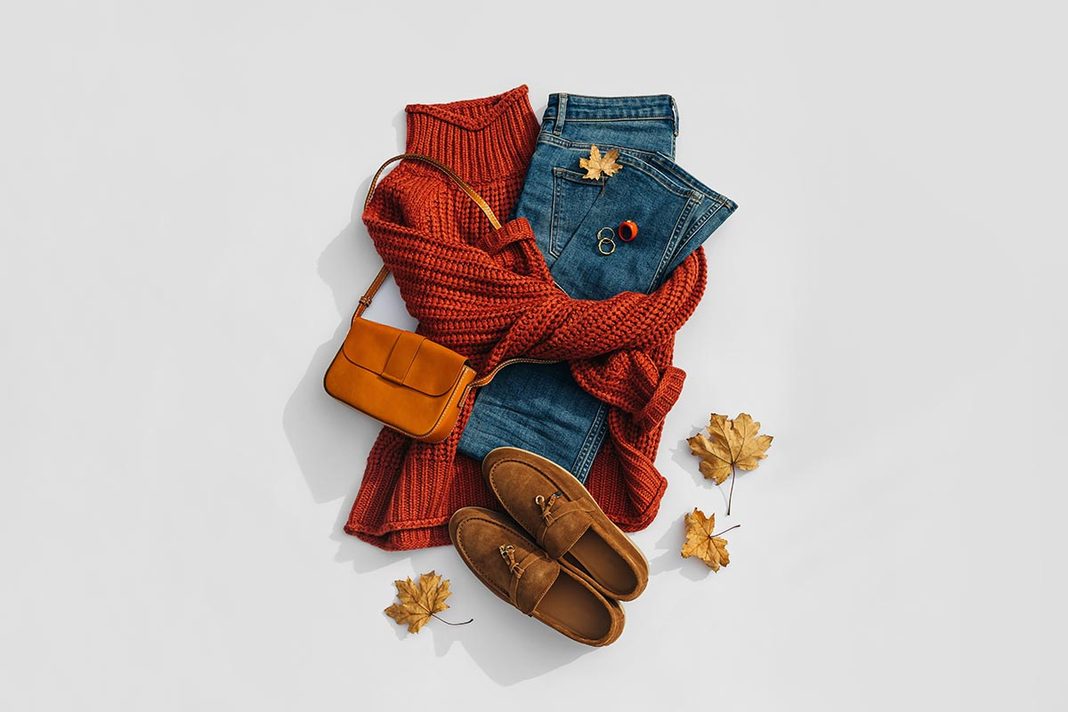
A well-cut trench coat in beige, brown or black, a pair of jeans, a simple sweater, a long pair of boots and a few versatile jackets can form the basis of countless outfits.
Burgundy, one of the season’s most prominent shades, can easily be introduced through a skirt, tights, blazer or handbag without requiring an entirely new wardrobe. These pieces are called staples for a reason: they can be combined in different ways while remaining polished, understated and practical.
For people with busy jobs, children or simply little time to think about what to wear every morning, that versatility is often more valuable than constantly following new trends. The same principle applies to everyone, from businesswomen to people who spend their working days in uniforms, and increasingly to men and young people who are becoming more interested in personal style.
Fashion can be a form of creativity and self-expression, but it does not have to become a competition over who owns the most. Choosing fewer, better-used pieces can make a wardrobe more mindful, reduce unnecessary waste and prove that having more options does not necessarily mean having more clothes.