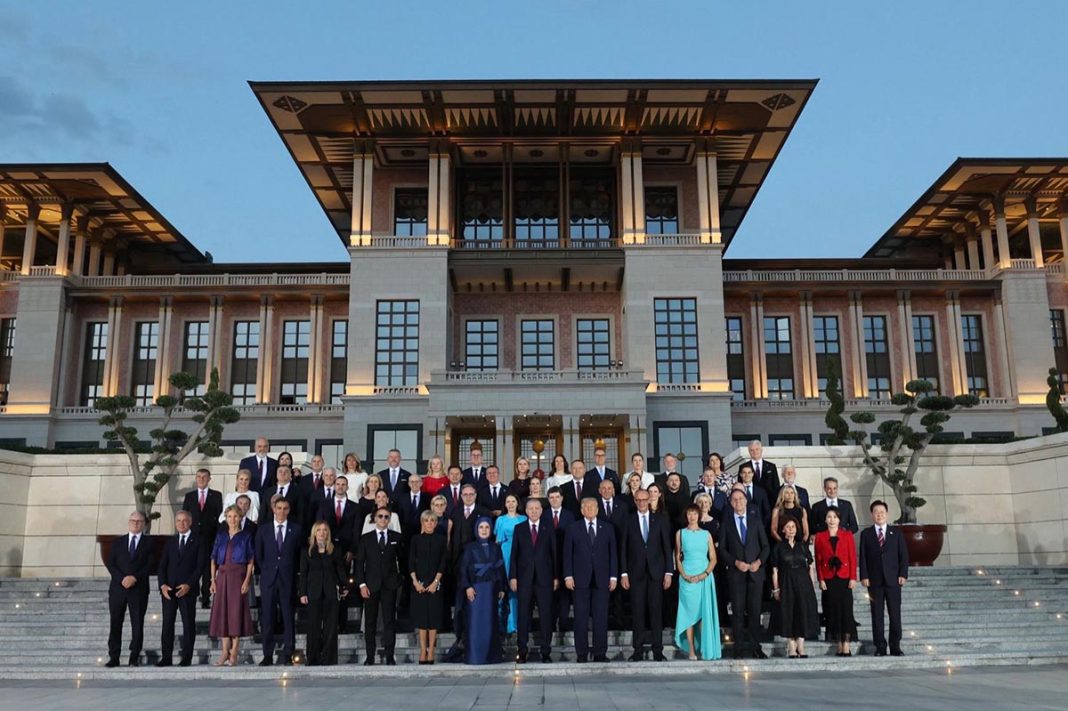
The 2026 NATO Summit concluded on 8 July in Ankara, Turkey, bringing together the heads of state and government of all 32 NATO member states, alongside NATO Secretary General Mark Rutte and key partner countries. Held on 7–8 July, the summit focused on implementing commitments made at last year’s meeting in The Hague and shaping the alliance’s response to an increasingly complex security environment.
The discussions were dominated by continued support for Ukraine, increasing defence spending, strengthening Europe’s defence industry and improving military cooperation among allies. US President Donald Trump once again urged European members to assume a greater share of NATO’s defence responsibilities, while leaders reaffirmed the alliance’s commitment to collective security under Article 5. Ukraine also featured prominently on the agenda, with President Volodymyr Zelenskyy holding meetings on the sidelines of the summit as diplomatic efforts to end the war continued.
Among regional leaders attending the summit were the presidents and prime ministers of Croatia, Albania, Montenegro and North Macedonia, all of whom reiterated their support for NATO’s strategic objectives and regional security. Bosnia and Herzegovina, Kosovo* and Serbia, which are not NATO members, were not represented as full participants, although the alliance’s continued engagement in the Western Balkans remained an important topic.
Although no new member states were invited to join the alliance, the summit underscored NATO’s long-term priorities: higher defence investment, greater industrial cooperation, technological innovation and continued support for partners facing security threats. As geopolitical tensions remain high, leaders described alliance unity and deterrence as essential pillars of NATO’s future, while acknowledging that burden-sharing and defence spending will remain key issues in the years ahead.