
Speaking after a government meeting, Infrastructure and Energy Minister Enea Karakaçi said the legislation represents the most important reform of the sector since the adoption of the previous electricity law in 2015. According to Karakaçi, the new framework introduces concepts that were not previously regulated, including energy storage systems and new aggregation models for self-consumers, which are expected to benefit both households and businesses.
The minister noted that the law reflects the transformation of Albania’s energy sector over the past decade. While the country was once heavily dependent on hydropower, it is now experiencing growing investment in renewable energy projects through auctions and private market developments. The legislation is designed to support this transition and provide a modern regulatory framework for a more diversified energy mix.
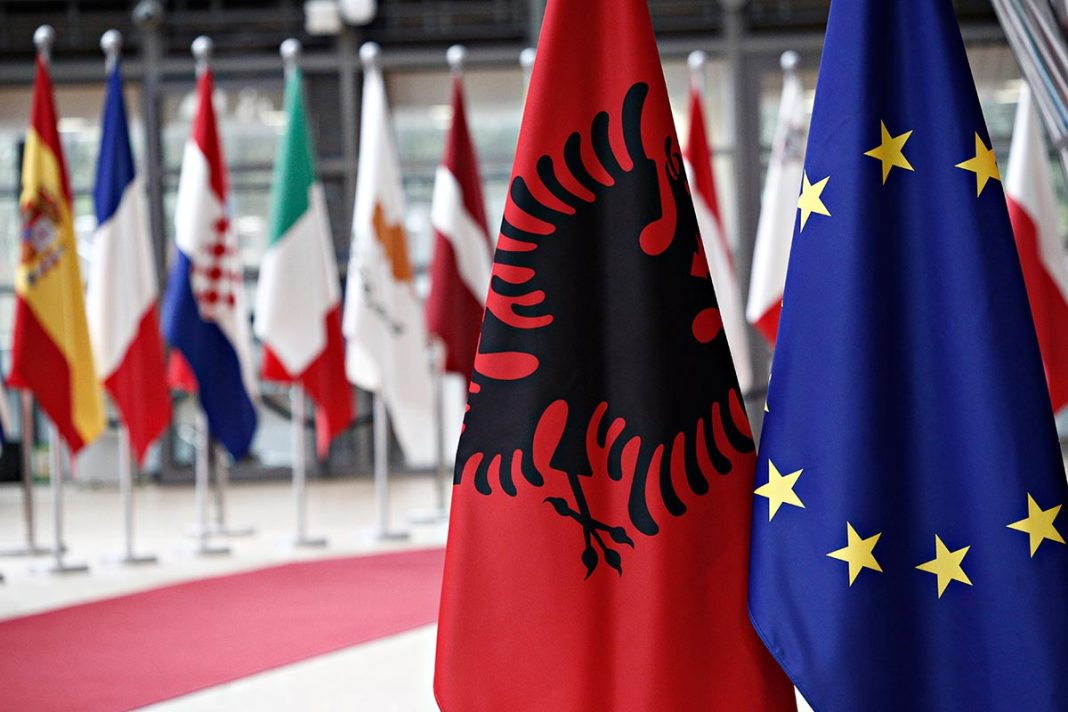
European integration is another key pillar of the reform. The adoption of the law is one of Albania’s obligations under the EU accession process and forms part of commitments linked to the EU Growth Plan for the Western Balkans. Its implementation is also expected to unlock additional financial assistance from the European Union.
Beyond energy policy, the minister provided updates on major infrastructure projects, including the construction of Vlora International Airport, where penalties have reportedly been issued for project delays. He also confirmed that expansion works on the Tirana-Durrës corridor are progressing, while the demolition of the Rinas overpass is scheduled to begin after the summer season as part of broader transport infrastructure upgrades.