
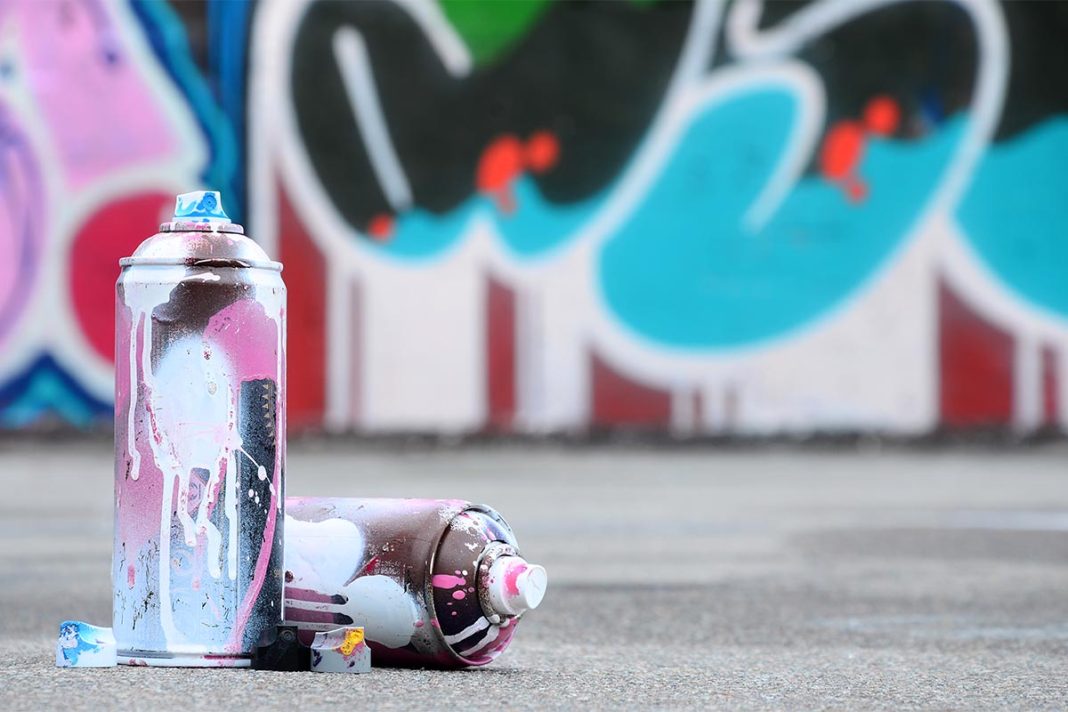
The City of Zagreb has announced further progress in its graffiti removal programme, with 74 buildings cleaned since the initiative was launched. The project focuses on removing unauthorized graffiti from residential buildings and public properties in an effort to improve the city’s appearance and preserve urban infrastructure.
The programme is carried out in cooperation with building managers and property owners, with the city covering the costs of cleaning under specific conditions. Officials say the initiative is intended not only to restore building facades but also to discourage repeated vandalism by responding quickly whenever illegal graffiti appears.
According to city authorities, maintaining clean public spaces contributes to a higher quality of life, enhances the visual identity of neighbourhoods and helps protect the long-term value of residential and commercial properties. The programme forms part of Zagreb’s broader strategy to modernize public infrastructure and create a more attractive urban environment for both residents and visitors.
The issue of graffiti continues to divide public opinion. While street art and commissioned murals are increasingly recognized as valuable forms of artistic expression that can enrich urban spaces, unauthorized graffiti on private homes, historic buildings and public infrastructure is generally regarded as vandalism that imposes significant maintenance costs on cities.
Many European cities have adopted similar approaches, combining stricter enforcement against illegal graffiti with designated public spaces where artists can legally create murals and street art. Supporters argue that this balanced approach protects cultural expression while preserving the appearance of urban areas.
As Zagreb continues expanding its programme, the initiative reflects a broader trend among European capitals seeking to improve public spaces through regular maintenance, heritage preservation and investment in cleaner, more welcoming city environments.