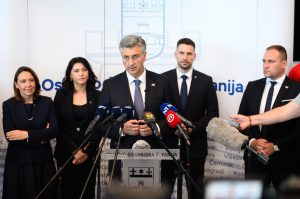
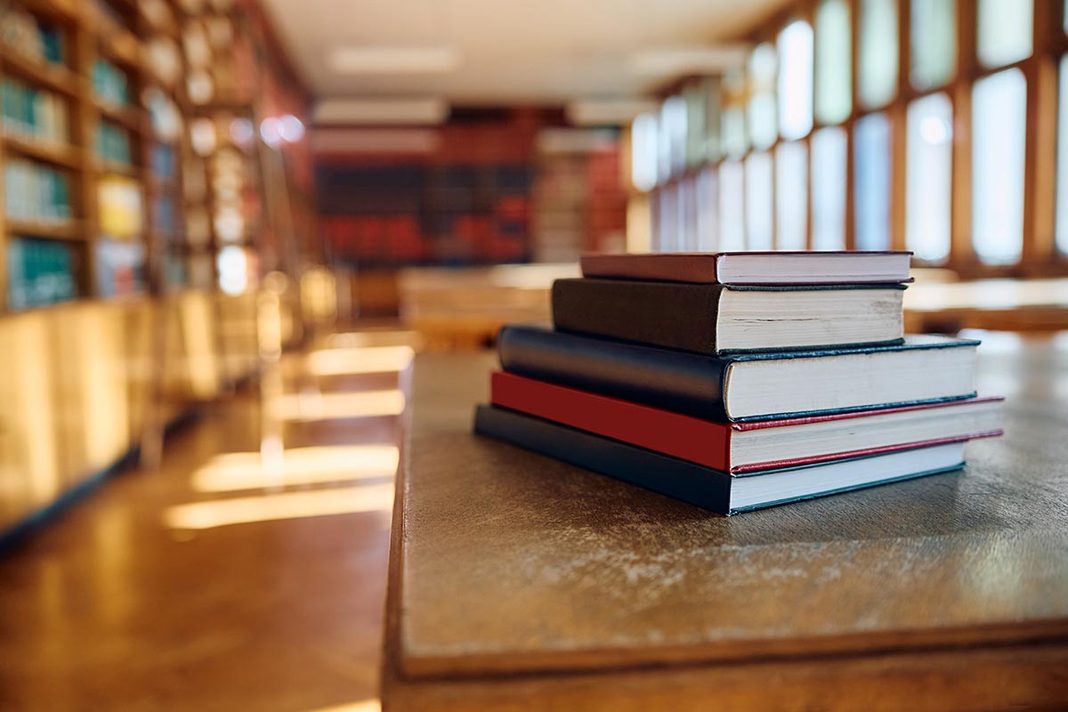
Education Minister Borut Rončević described the latest results as a “horribly serious” warning, after Slovenian 15-year-olds recorded declines in reading, mathematics and science compared with the previous assessment in 2022.
Slovenia’s 2025 PISA scores fell below the OECD average in all three areas. Reading dropped to 445 points from 482 in 2022, mathematics to 460 from 485, and science to 484 from 500. In 2022, Slovenia had performed above the OECD average in mathematics and science.
Under the proposed reform, the first year of the existing nine-year primary school system would become mandatory preschool, while primary education would consist of eight years. The new curriculum would place greater emphasis on computer science, programming, artificial intelligence, data and media literacy, cybersecurity, financial literacy, entrepreneurship and project-based learning. The government also plans to introduce stronger support for immigrant children through preparatory and language courses, strengthen vocational education and establish closer links between schools and employers.
Rončević said the PISA results should not be viewed as a judgement on pupils, parents or teachers, but as a warning about the education system itself. He also called for stricter and more differentiated grading, arguing that not all students can realistically be expected to achieve the highest marks, while promising additional support for struggling pupils and more demanding programmes for high achievers.
The reform is likely to face resistance from education professionals and unions. Slovenia’s teachers’ union SVIZ has highlighted staff shortages as another major challenge, noting that only 17.5% of Slovenian students attend schools where principals report that teaching is not hindered by staff shortages, compared with 28.8% across the OECD.
The government plans to establish a strategic council to prepare the reform by the end of September, with the changes expected to generate significant debate among teachers, unions and education experts.