
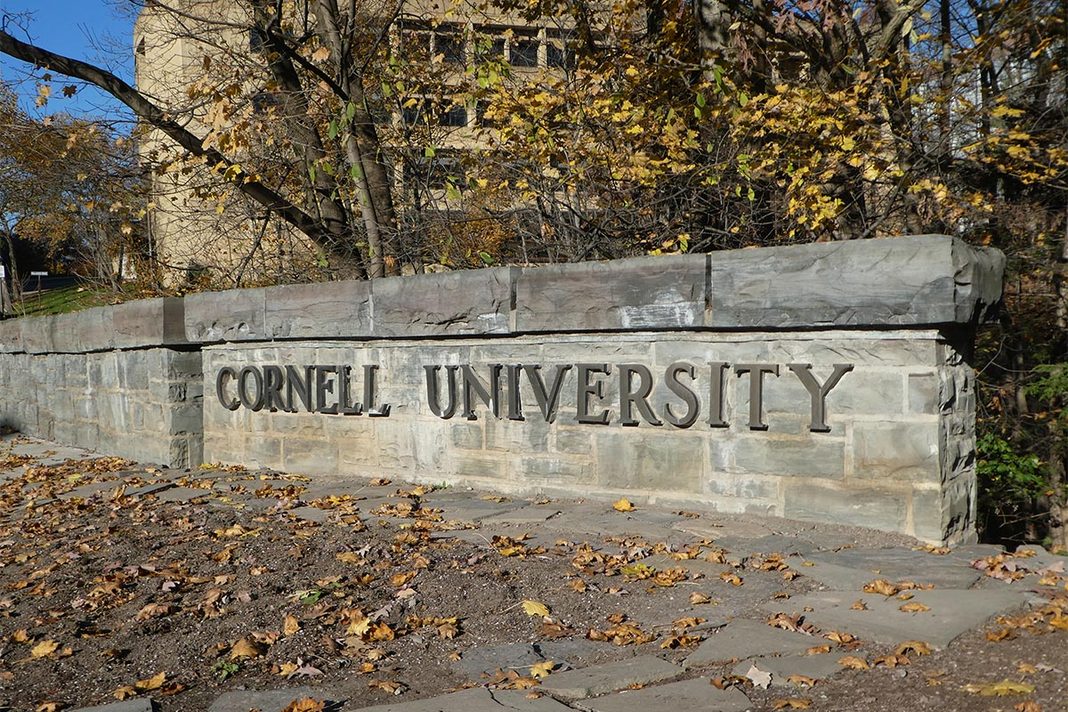
The woman, identified in court documents as Jane Doe, recently filed a civil lawsuit against the alleged perpetrators and Cornell, bringing the case back into the public spotlight. Prosecutors in Tompkins County have now reopened the criminal investigation and said the case may be presented to a grand jury. The seven men have not been criminally charged, and allegations in the civil lawsuit have not been established as criminal facts.
The controversy has grown because the case had already been investigated in 2024. Cornell conducted its own Title IX proceedings, which resulted in expulsions and suspensions, while the fraternity was closed. However, prosecutors did not bring criminal charges at the time, citing the evidence and the circumstances of the original report. The reopening of the investigation has raised broader questions about how universities, police and prosecutors respond when students report sexual violence — particularly when alcohol, drugs, fear or trauma complicate a victim’s account.
The Cornell case has therefore become bigger than one university. It has reopened a conversation about how often women remain silent after sexual violence, especially on college campuses, where victims may fear not being believed, being blamed, damaging their reputation or facing their alleged attacker within the same community. U.S. data show that sexual violence is significantly underreported: RAINN, citing Department of Justice data, estimates that about 73% of rapes and sexual assaults are never reported to police. Among reported cases, only a minority ultimately result in criminal charges or convictions.
That is why the message emerging from the Cornell controversy should not simply be about one group of students or one university.
Women need to be able to step forward and speak about what happened to them without being made responsible for the violence committed against them. Universities need clear reporting mechanisms, independent investigations and meaningful protection for students, while police and prosecutors need the resources and procedures necessary to investigate allegations properly. The same principle applies to reproductive choices: survivors of sexual violence can face pregnancies resulting from rape, while access to abortion varies sharply across the United States; as of 2026, 13 states have total abortion bans and 28 more have bans based on gestational limits.
The statistics also show why accountability cannot depend solely on whether an individual survivor is brave enough to report. RAINN’s current review of U.S. data estimates that only around one in five reported rape and sexual-assault cases results in criminal charges, while only a small proportion ultimately ends in conviction. These figures should not be interpreted as evidence that allegations are inherently unreliable; rather, they illustrate how much attrition occurs between reporting a crime and obtaining a legal outcome.
Sexual violence is not an inevitable part of university life, nightlife or society. It is a form of violence that can be prevented through education about consent, early intervention, safer institutions, responsible bystander action, effective investigations and consequences for those found responsible. The answer cannot be for women to become better at surviving a culture of silence; it must be for society to become better at preventing sexual violence and responding when it occurs. The Cornell case has once again forced that conversation into the open — and the challenge now is to turn public outrage into lasting action.