
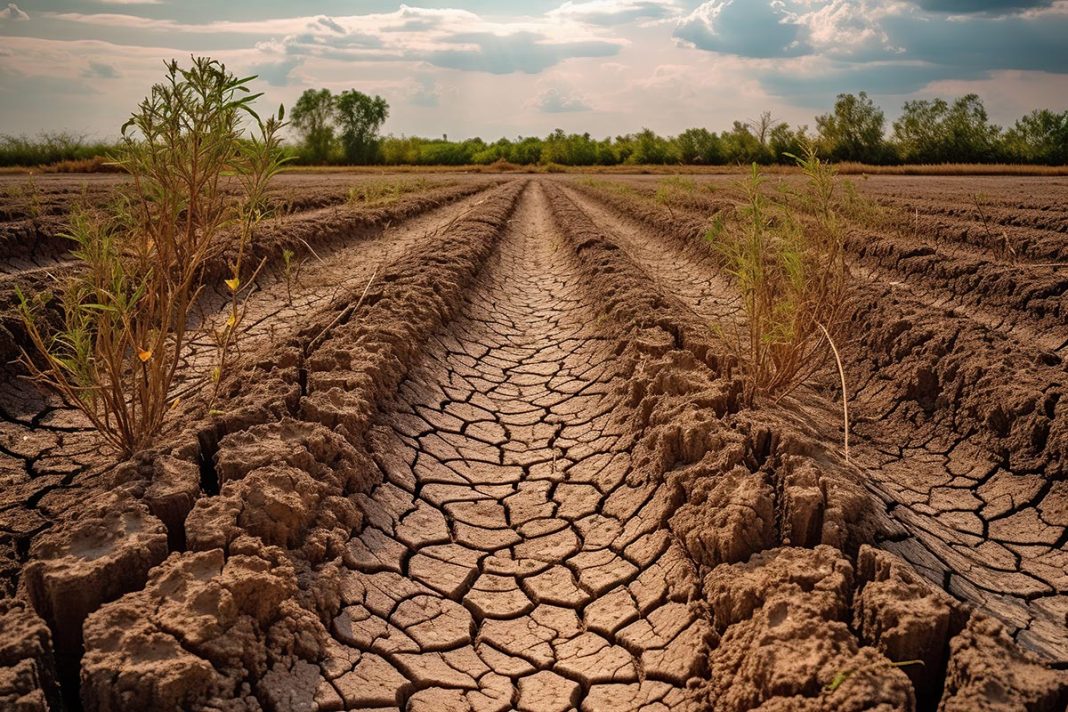
Slovenia is facing one of its most difficult agricultural seasons in years as persistent drought and extreme heat continue to damage crops and livestock, with farmers warning that much of this year’s harvest has already been lost.
According to the Chamber of Agriculture and Forestry (KGZS), 30–50% of grain yields have been lost, while corn production could fall by as much as 80–90%. Potato yields are also expected to decline sharply, while damage to oil pumpkins, soybeans and sunflowers could reach 40% or more.
The lack of rainfall has also severely affected pastures. Grass yields in lowland areas are estimated to be 40–50% lower, while losses in mountainous areas could range from 50% to almost the entire harvest. Some livestock farmers have already begun purchasing additional feed, using up hay and silage reserves or reducing the number of animals they keep.
The consequences could eventually be felt by consumers as well. Farmers warn that increased livestock slaughter caused by feed shortages could initially push meat prices down, before prices rise once available livestock stocks become depleted.
Fruit, vegetables and vineyards have also been hit. Fruit yields are currently expected to be 30–40% lower, locally reaching 50%, while some non-irrigated vegetable-growing areas may produce no harvest at all. Olive yields could fall by up to 50%, while vineyards are suffering from both reduced grape development and accelerated ripening.
Slovenia’s hop-growing sector is facing an especially difficult year. The combination of severe hailstorms earlier in the season and prolonged heat has made this year’s harvest one of the weakest in recent memory, with production expected to fall below 2,000 tonnes for the first time since 2015. The drought is even affecting fish farms, where low water levels and high temperatures have forced some facilities to stop feeding fish. Forests are also showing signs of stress, with experts warning that weakened trees could become increasingly vulnerable to bark beetle attacks.
Agricultural authorities are urging farmers to continue irrigation where possible while using available water resources carefully, but they say the scale of the damage highlights the need for long-term measures to make Slovenian agriculture more resilient to increasingly frequent heatwaves and droughts.
Some relief is expected next week, when cooler and more humid air is forecast to reach Slovenia, bringing a greater chance of rain and reducing the risk of wildfires. Meteorologists say the country experienced one of its most severe heatwaves on record during the last week of July and first week of August.