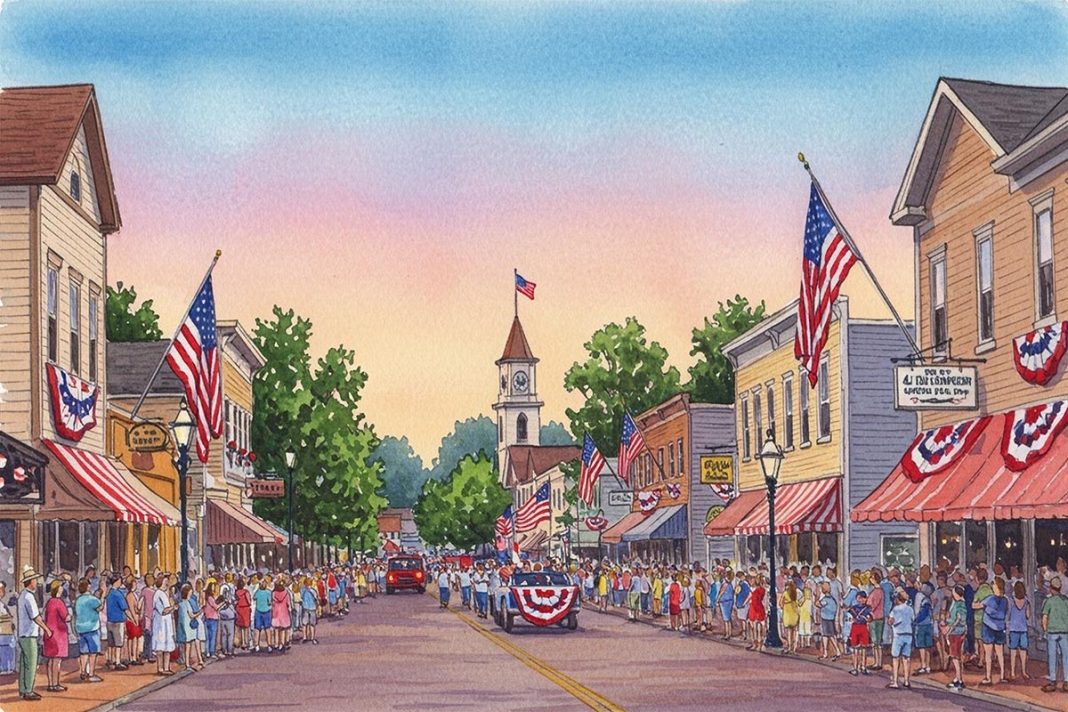
Every year on 4 July, the United States celebrates Independence Day, marking the adoption of the Declaration of Independence in 1776, when the Thirteen Colonies formally declared their separation from Great Britain. Drafted principally by Thomas Jefferson and adopted in Philadelphia, the document proclaimed that governments derive their power from the consent of the governed and that all people possess fundamental rights to “life, liberty and the pursuit of happiness.” The declaration laid the foundation for the creation of what would become the United States of America.
Independence did not immediately end the conflict. The American Revolutionary War continued until 1783, when Britain formally recognized the new nation. Over the following decades, the United States expanded rapidly westward, developed its democratic institutions and underwent profound political and economic transformation. The country’s greatest internal challenge came during the American Civil War, which preserved the Union and led to the abolition of slavery, shaping the modern American state.
Although the United States is relatively young compared to many European nations, it has become one of the world’s most influential countries in politics, economics, technology, culture and security. From its democratic institutions and scientific innovation to its global military and economic reach, the country has played a defining role in shaping the modern international order over the past century.
This year’s Independence Day was also widely acknowledged across the Western Balkans, with presidents, prime ministers and foreign ministers issuing congratulatory messages to the United States. The outpouring of greetings reflected the importance that countries across the region continue to place on maintaining strong political, economic and security ties with Washington, underscoring the enduring significance of the transatlantic partnership.