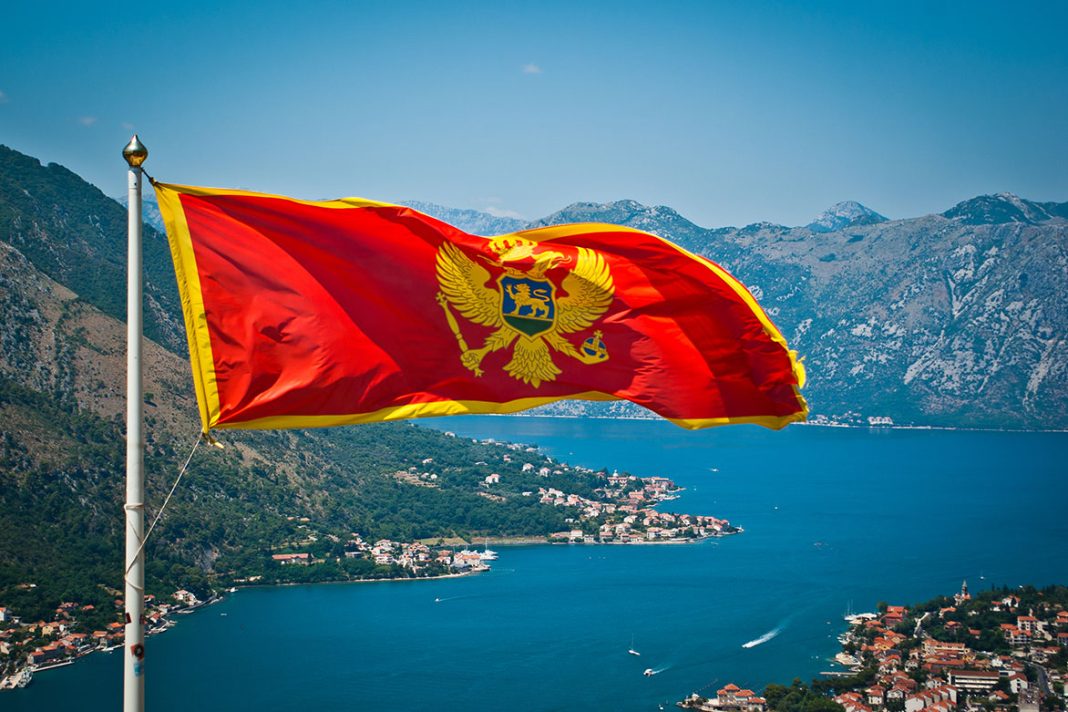
Two decades after narrowly voting for independence, Montenegro marked its 20th Independence Day with a celebration designed to project far more than national pride.
Beneath giant screens and state flags in Podgorica’s Independence Square, thousands gathered Wednesday night for a programme that blended politics, spectacle and pop culture — culminating in a headline performance by global music star Ricky Martin. The atmosphere felt closer to a European summer festival than a traditional state anniversary, and that was precisely the point.
For Montenegro’s leadership, this year’s celebration was never only about looking back at the referendum of 21 May 2006, when 55.5% of voters chose independence from the state union with Serbia. It was also about presenting a modern image of the country at a moment when Podgorica is intensifying its push toward European Union membership and trying to position itself as a credible regional destination for investment, tourism and international business.
The government framed the free Ricky Martin concert as a symbolic “gift to citizens,” but the choice of performer also carried a wider message. Montenegro increasingly wants to present itself as outward-looking, internationally connected and culturally aligned with broader European and global trends rather than defined solely by Balkan political narratives.
Alongside the international performance, the Independence Day programme featured some of the region’s best-known artists, including Sergej Ćetković, Knez, No Name and Bojan Marović, as celebrations spread across several Montenegrin cities.
Political leaders used the anniversary to reinforce another message: Montenegro’s future, they argued, lies inside the European Union. Prime Minister Milojko Spajić described “European Montenegro” as the idea capable of uniting the country beyond political and ideological divisions, while President Jakov Milatović pointed to NATO membership, economic reforms and EU accession talks as defining achievements of the country’s first two decades of statehood.
Yet beneath the celebration also sits a more complex reality. Montenegro remains politically polarised, economically dependent on tourism and still navigating questions about identity, institutions and long-term development. Twenty years after independence, the country is still shaping the story of what independence ultimately means.
That may explain why this year’s anniversary felt less nostalgic than strategic.
Montenegro was not simply celebrating the past. It was presenting a version of the future it wants Europe and investors to see.