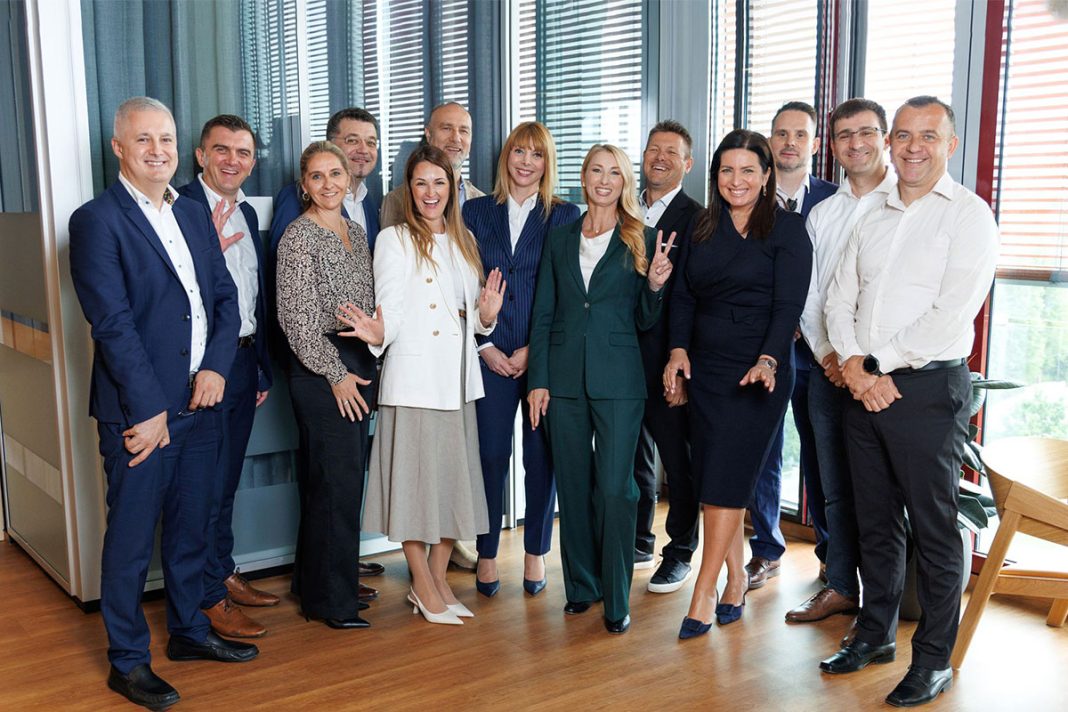
Microsoft’s journey in Croatia began in 1996 with a modest team of four, led by Goran Radman. Three decades later, the company marked its anniversary alongside government officials, business leaders and media, reflecting on a presence that has shaped the country’s digital landscape.
Microsoft Croatia grew into a central node for partnerships and innovation, working with more than 100 partner organisations and employing over 50 specialists. Its long-running Windays conference once stood as the country’s leading business-technology gathering before being discontinued following pandemic-era restructuring. In 2024, the company shifted its local structure and no longer maintains a country director role.
Its influence remains strong. Microsoft continues to work closely with the private sector and public institutions, particularly in education and startup development, areas increasingly seen as critical to long-term competitiveness.
At the anniversary event, the focus turned to artificial intelligence. Speakers highlighted AI as the defining force of the next economic phase. Croatia has solid foundations for adoption. The challenge lies in execution. Speed and scale will determine impact. Moving from pilot projects to full integration across industries remains the key test.
Damir Habijan, Croatia’s Minister of Justice, Public Administration and Digital Transformation, pointed to three structural barriers. Regulation remains heavy. Legal frameworks overlap, including tensions between the Digital Services Act and the Digital Markets Act. Administrative processes remain slow.
Croatia sits in the middle tier of European countries in AI adoption. That position is not stable. A divide is emerging between organisations that have embedded AI into daily operations and those still experimenting. That gap will define future competitiveness.
Thirty years after its arrival, Microsoft’s role in Croatia is no longer only about technology. It reflects how quickly a market can adapt. It also shows who risks being left behind.