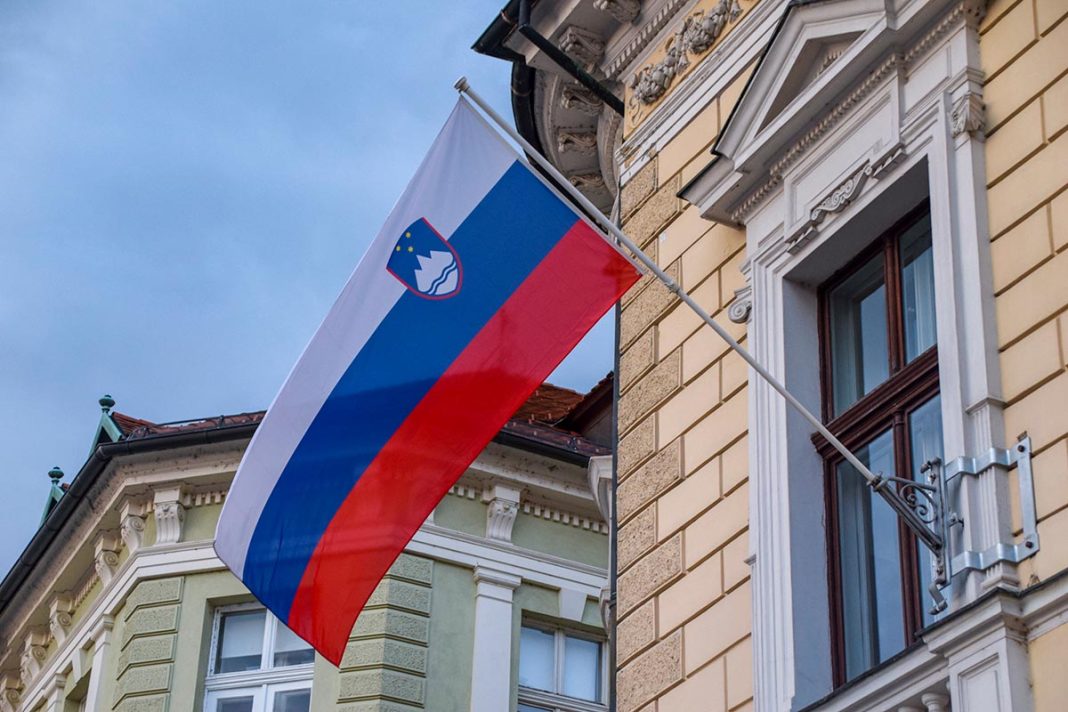
Slovenia’s parliament has adopted amendments to the Government Act, reducing the number of ministries from 19 to 14 in a key step toward forming a new centre-right administration. The reform, proposed by the Slovenian Democratic Party, streamlines the executive by merging several portfolios, including combining labour with the economy, infrastructure with energy and education with science and youth, while also creating a new ministry for demography, family and social affairs.
Supporters argue the move will reduce bureaucracy and improve efficiency, with SDS figures emphasizing clearer lines of responsibility within government.
However, critics, including opposition parties and trade unions, warn that merging labour and economic policy could weaken social dialogue and tilt decision-making toward business interests. Despite concerns, the law passed with backing from right-leaning parties, while some centre-left groups abstained.
The vote signals that Janez Janša is likely to lead the next government, after current Prime Minister Robert Golob failed to form a coalition despite winning the most votes in the March election. Coalition negotiations are ongoing, with a parliamentary vote on a new prime minister expected later in May following formal nomination procedures.