Croatia to Replace Passport Stamps with Digital System from October 2025

From October 12, non-EU travelers entering Croatia will no longer receive passport stamps but will be registered in the EU’s new digital Entry/Exit System (EES)

The system applies to citizens of countries outside the EU. On their first entry, travelers will provide fingerprints and a facial image, which will be stored digitally. Each future trip will then be recorded automatically through biometric checks, removing the need for passport stamps.

EU citizens, including Croatians, are not affected and will continue to cross borders without any additional checks.

For the Adria region, the change will be most visible at Croatia’s borders with Bosnia and Herzegovina, where the system is expected to reduce fraud and overstays but could initially cause longer waiting times as travelers and border staff adapt.


Have a news tip or story to share? Email us at info@connectingregion.com

Employment in North Macedonia’s Industrial Sector Falls 2.9% in September

The number of employees in North Macedonia’s industrial sector declined by 2.9% in September 2026 compared with the same...

Humanoid Robots Made in Serbia

Chinese manufacturers Minth and AGIBOT have launched humanoid robot production in Šabac, opening a new chapter for Serbia's industrial...

Croatian Self-Driving Cars Take to British Roads

From Zagreb to Manchester, Croatian mobility company Verne is helping bring autonomous taxis to European streets, challenging the assumption...

Adria’s Invisible Global Footprint

From the technology behind global communications to medicines, automotive engineering and digital worlds, the seven countries of Adria have...

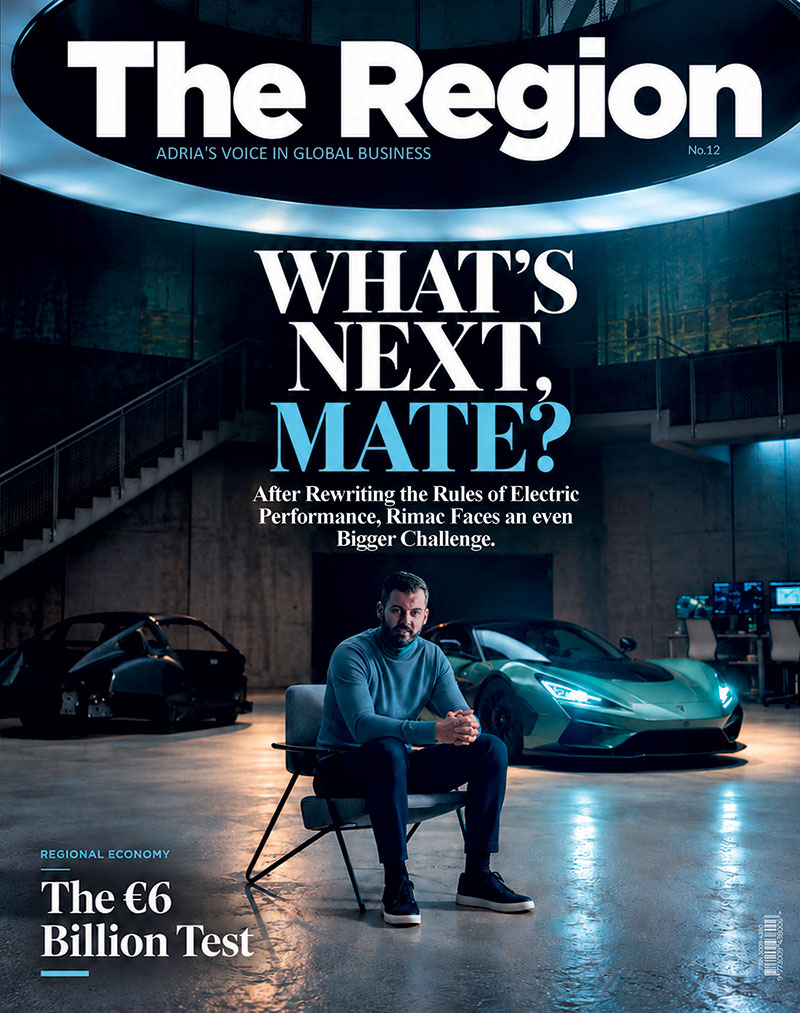
The Next Test for Mate Rimac

The Croatian entrepreneur built a global reputation by challenging the automotive establishment. Now, with Porsche departing, BMW adopting his...
spot_img

Connecting the Adria Region Decision Makers

The Region is more than a publication - it's where the region's elite converge for insights and opportunities