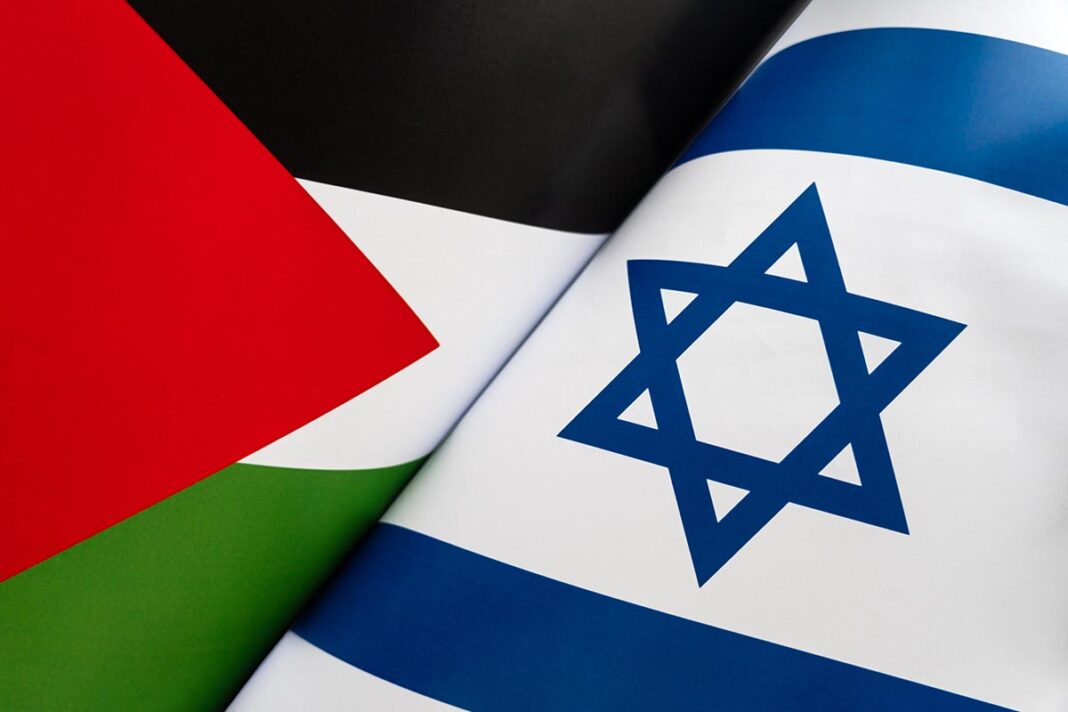
As the Gaza conflict continues to dominate global headlines, countries of the Adria region have taken notably different stances—reflecting a mix of diplomatic strategy, political identity, and international alignment. While some have moved toward sanctions and recognition of Palestine, others are reaffirming strong support for Israel’s security.
Slovenia has taken one of the EU’s strongest positions. It recognised the State of Palestine in 2024, imposed a full arms embargo on Israel, and recently declared two far-right Israeli ministers persona non grata. Ljubljana has also actively called for humanitarian access and condemned what it described as disproportionate military action in Gaza.
President Zoran Milanović has publicly called for recognising Palestine and criticised Israeli leadership, while the government supports a negotiated two-state solution and Israel’s right to self-defence. Croatia continues to call for humanitarian restraint but has not moved toward sanctions.
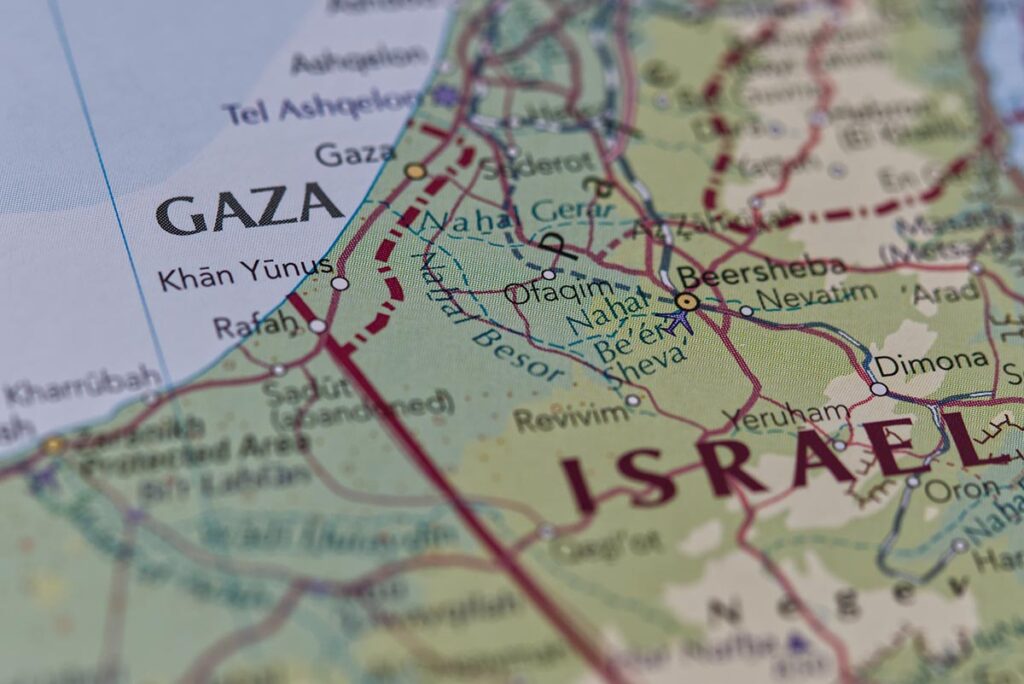
Prime Minister Edi Rama reaffirmed Albania’s strong alliance with Israel, calling Hamas “the Nazis of the new century.” During a 2025 visit to Jerusalem, he endorsed Israeli strikes against Iran and ruled out compromise with Hamas, while also expressing concern for civilians in Gaza.
Regional Implications
The diverging responses across the Adria region highlight a lack of unified diplomatic positioning, despite shared EU aspirations and NATO ties. As the Middle East crisis evolves, the region’s governments are revealing just how differently they interpret sovereignty, security, and humanitarian responsibility.
Initially among Europe’s top arms exporters to Israel, Serbia shifted its stance in mid-2025 by suspending weapons exports. Belgrade condemned Hamas attacks but has stopped short of broader diplomatic measures, maintaining a more neutral position in public statements.
Montenegro supports Palestinian sovereignty based on 1967 borders and voted in favour of the UN’s October 2023 ceasefire resolution. However, Podgorica has not issued major policy changes or public statements in 2025 regarding the current escalation.
Due to its internal structure, reactions have been split. Leaders in the Federation expressed solidarity with Palestinians, while Republika Srpska voiced support for Israel. The central government has not issued a unified foreign policy stance.
Skopje has maintained a low profile, supporting humanitarian aid and a peaceful two-state resolution without taking an explicit stance. The government has avoided inflammatory rhetoric, aligning with broader EU diplomatic positions.