
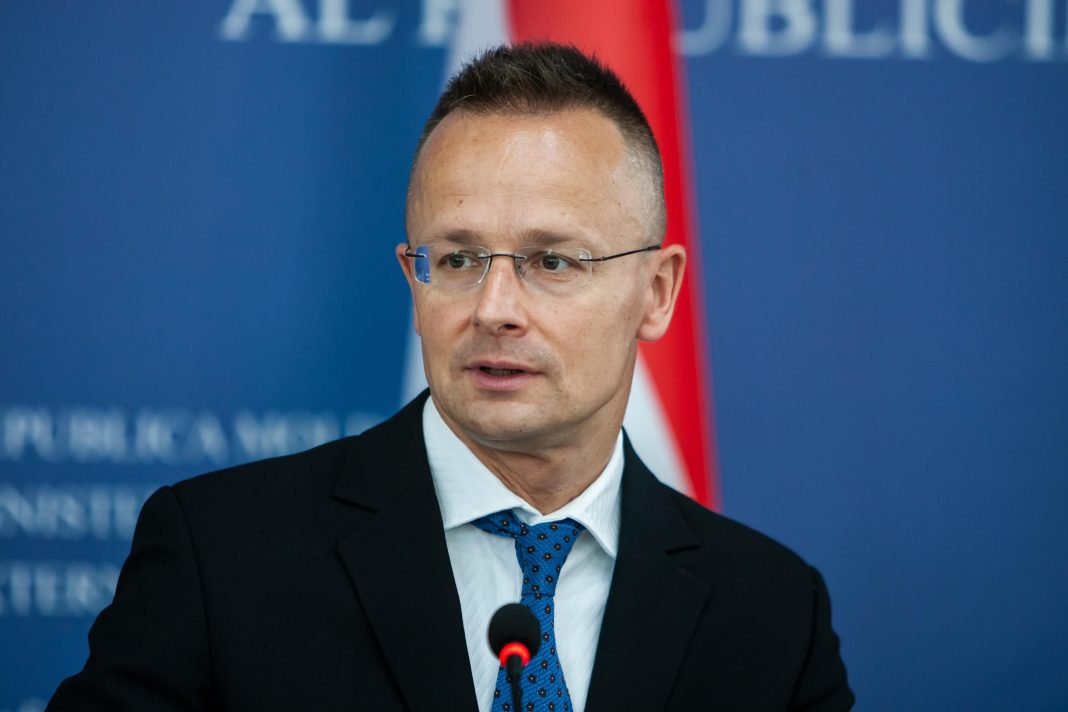
Hungary has officially confirmed that it will move forward with Serbia and Russia on building a new oil pipeline linking the two countries, defying EU sanctions policy and signalling deeper regional cooperation on energy. Foreign Minister Péter Szijjártó made the announcement following a virtual meeting with Serbia’s Energy Minister Dubravka Đedović Handanović and Russia’s Deputy Energy Minister Pavel Sorokin.
The pipeline, expected to be operational by 2027, will have a projected capacity of up to five million tonnes per year. Hungary plans to build 180 kilometres of pipeline on its territory, with Serbia constructing another 120 kilometres. A joint measuring and control station will be installed at the border.
The project, to be developed by Hungarian energy giant MOL and Serbia’s Transnafta, will connect MOL’s Százhalombatta refinery with the village of Algyő in southern Hungary and extend to Novi Sad. The Hungarian government has already committed €320 million in investment over three years, and feasibility studies are complete.
This is the first official confirmation of Russia’s involvement, despite months of quiet planning between Belgrade and Budapest. With rising transit fees through Ukraine and Croatia, the new pipeline is set to play a pivotal role in securing alternative supply routes—particularly for landlocked Hungary, which continues to resist what Szijjártó calls Brussels’ “disastrous decisions” on energy decoupling from Russia.