

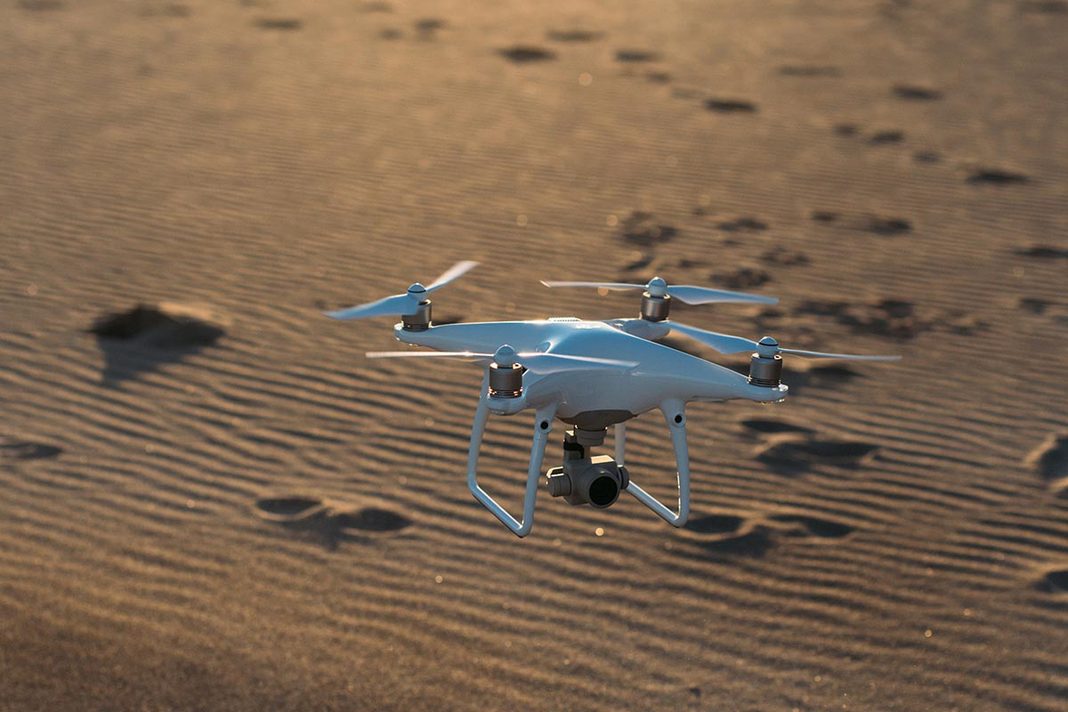
Working with the United Nations Population Fund (UNFPA), the company has established a drone-based delivery system that can reduce journeys that would otherwise take days to less than two hours.
The cooperation began in 2024 and involves a specialised cargo version of ElevonX’s flagship unmanned aircraft. Equipped with a precision parachute-assisted delivery system, the drones transport medicines, vaccines, emergency medical kits and sexual and reproductive health supplies. They use Starlink satellite connectivity for navigation and communication, which is particularly important when operating in mountainous areas and deep valleys where ground-based networks are limited.
More than 800 flights have been completed so far, covering approximately 100,000 kilometres and transporting 2.5 tonnes of essential supplies. In some parts of Madagascar, poor road infrastructure, difficult terrain and weather conditions can make delivery by road take up to two days. The drones, by comparison, can reach healthcare facilities in under two hours. ElevonX says the time saved can be particularly important when transporting vaccines, medicines and emergency equipment, potentially influencing treatment outcomes and saving lives.
The aircraft combines vertical take-off and landing capabilities with the ability to fly like a conventional aeroplane, allowing it to operate without a runway while maintaining efficiency over longer distances.
It can carry up to five kilograms of cargo and reach destinations approximately 125 kilometres away. Once it reaches its destination, the package is released by parachute into a designated area before the aircraft returns to its base.
ElevonX currently has three unmanned systems operating in Madagascar, managed by locally employed pilots who have received specialised training through the UNFPA project. This means operations do not depend on pilots travelling from Slovenia. Local teams can also conduct basic inspections and routine maintenance, while the company provides remote technical assistance, sends specialists to the country or arranges for more complex repairs to be carried out in Slovenia.
The technology is continuously developed based on feedback from pilots, with software, communications systems, electronic components and operating procedures regularly reviewed and upgraded. The company also notes that the aircraft itself represents only part of the investment: depending on the mission, cameras, sensors, communication systems and other specialised equipment can account for a substantial share of the total cost, sometimes exceeding the value of the aircraft. ElevonX says the project demonstrates how advanced drone technology can serve humanitarian purposes by overcoming geographical barriers and improving access to healthcare.