

From Zagreb to Manchester, Croatian mobility company Verne is helping bring autonomous taxis to European streets, challenging the assumption that the continent’s next transport revolution must begin in its traditional automotive capitals.
MANCHESTER HAS SEEN PLENTY OF changes in transport since the Industrial Revolution, but its latest arrival is particularly unusual: a taxi that may eventually have no driver. Behind the experiment is Verne, a Croatian mobility company founded within Mate Rimac‘s business ecosystem, working alongside American ride-hailing giant Uber and Chinese autonomous driving specialist Pony.ai.
The three partners began testing autonomous vehicles on Manchester’s streets in October, extending a collaboration that had already put Zagreb at the forefront of Europe’s emerging robotaxi industry. For Croatia, better known internationally for its coastline than its automotive technology, the development represents another step towards becoming an unlikely player in the future of mobility.
The arrangement brings together three distinct capabilities. Pony.ai supplies the autonomous driving technology, Uber provides access to its global passenger network, while Verne manages the vehicles, fleet operations and local service. It is an international partnership in which a Croatian company has secured a meaningful operational role.
In April, Verne launched a commercial autonomous taxi service in Zagreb, initially with a safety operator on board. By September, invited passengers were travelling without anyone behind the wheel along a 22-kilometre route connecting the company’s headquarters with Zagreb Airport. The service had already recorded more than 200,000 kilometres of operation and several thousand passenger journeys.
“We are now taking the next step, moving from autonomous driving with an onboard AV operator toward fully driverless operations,” said Marko Pejković, Verne’s co-founder and CEO, describing the September milestone.
Manchester follows London in the partners’ UK plans, although the vehicles are currently being tested rather than carrying paying passengers. Safety drivers remain behind the wheel during the Manchester mapping phase, and no date has been announced for public robotaxi rides.
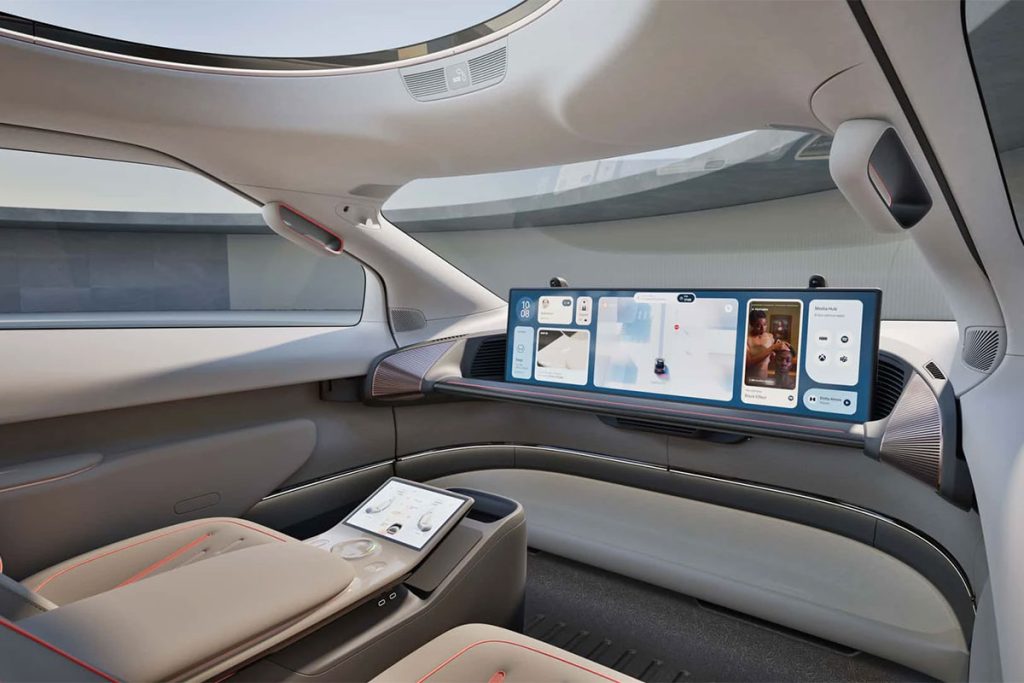
The taxis being deployed use Pony.ai technology and vehicles developed with Chinese manufacturer BAIC. Verne’s own purpose-built electric robotaxi, conceived without conventional driving controls, remains a separate project. The company is therefore not yet exporting a fully Croatian-made autonomous car.
Nevertheless, its growing international role is significant. In October, Pejković confirmed that Uber had invested in Verne, although the amount was not disclosed. The backing of one of the world’s largest mobility platforms suggests that the Croatian venture is being taken seriously beyond its home market.
Questions remain about regulation, safety, profitability and the consequences for professional drivers. Yet perhaps the most interesting aspect of this story is geographical. A company emerging from Zagreb is helping introduce a new transport technology to Manchester, one of the cities that helped define the world’s first industrial age. For a region more accustomed to importing technological breakthroughs than participating in their international deployment, that is a development worth watching.