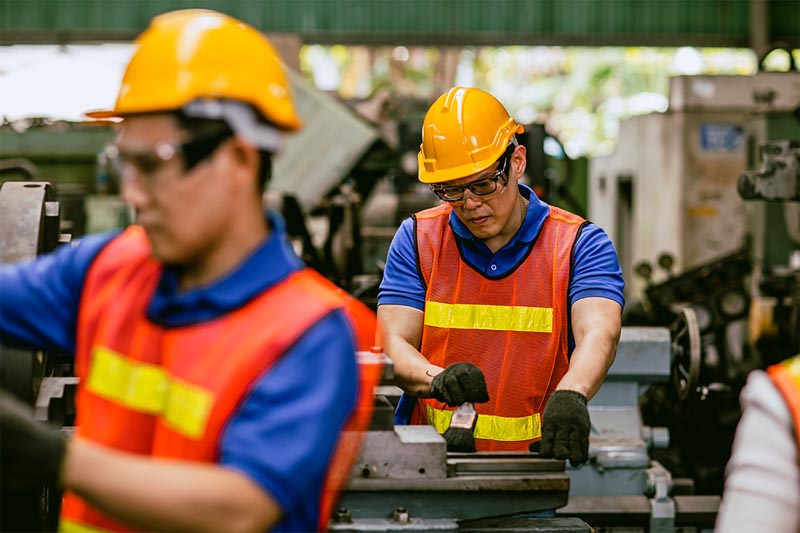
The shift comes after several years of rapid growth in foreign employment, driven by labour shortages in construction, tourism, hospitality, transport and other sectors. Croatia currently has more than 105,000 foreign workers with valid residence and work permits, according to the Interior Ministry.
Nepal had become one of the country’s largest sources of foreign labour. In 2025, almost 29,600 work permits were issued to Nepalese nationals, making them the second-largest group after citizens of Bosnia and Herzegovina. Filipino workers ranked fourth, with more than 16,000 permits issued.
However, recruitment patterns have started to change. Stricter rules introduced in Croatia this year, including requirements concerning accommodation, language and recruitment procedures, have made the process of bringing in new foreign workers more demanding. Recruitment agencies specialising in Nepalese workers have reported significant declines in new recruitment.
At the same time, Filipino workers are gaining a larger presence, reflecting continued demand from Croatian employers and the growing importance of international recruitment to the country’s labour market. The development also comes as Croatia increasingly focuses on retaining foreign workers already in the country. For the first time, renewals of existing foreign-worker permits have overtaken permits for new arrivals, signalling a gradual shift from constantly recruiting new workers towards keeping those who have already established themselves in Croatia.
The broader trend reflects Croatia’s changing demographic and economic reality. The country recorded a positive net migration balance of 19,180 people in 2025, with 56,665 people arriving from abroad and 37,485 leaving. Foreign nationals accounted for the majority of arrivals.
As labour shortages persist and Croatia’s population continues to age, foreign workers are likely to remain an important part of the country’s economy. What is changing, however, is where those workers are coming from, with the Philippines increasingly emerging as one of Croatia’s key sources of international labour.