
There are airline routes that move passengers.
And then there are routes that send signals.
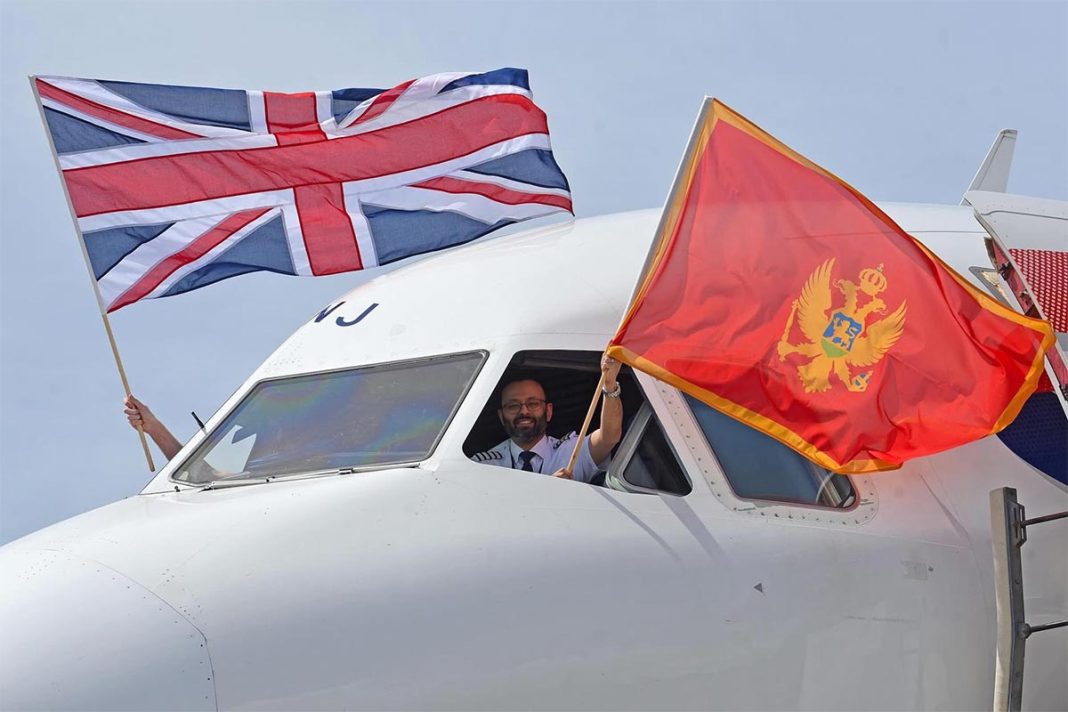
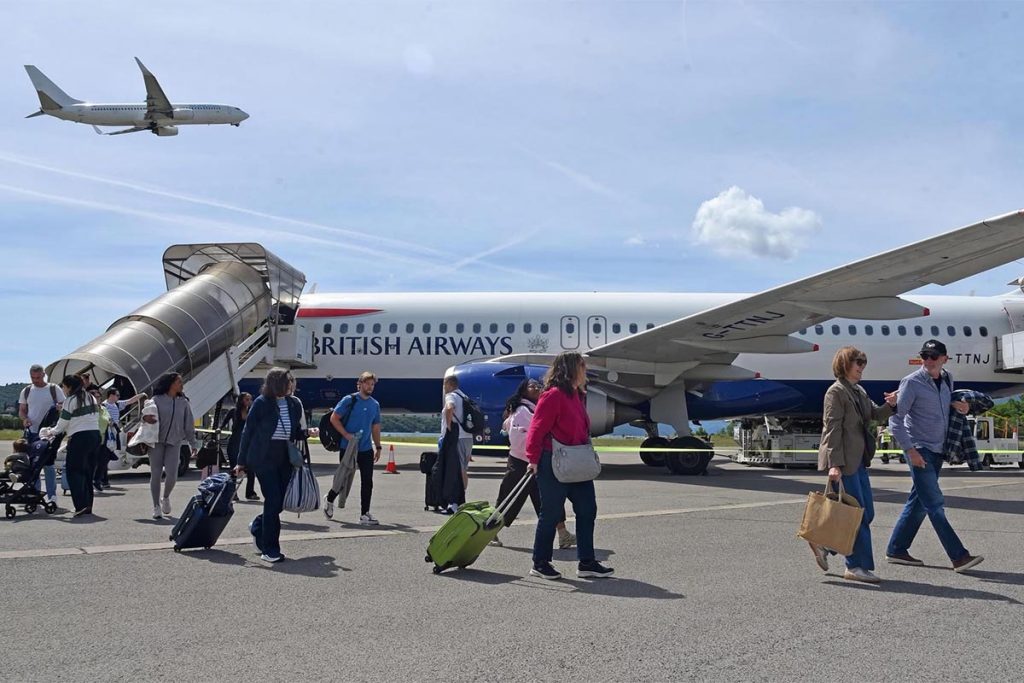
The inaugural arrival of British Airways in Tivat on 14 May belongs firmly to the second category.
For the first time, Montenegro’s coast is directly connected with London Heathrow Airport — one of the world’s most strategically important aviation hubs and the primary long-haul gateway of Europe’s financial capital. Until 26 September, British Airways will operate flights between Heathrow and Tivat three times a week, opening a new corridor between the Adriatic and a global network of business, investment and premium travel flows.
At first glance, it may appear to be another seasonal tourism route. In reality, Heathrow rarely works that way.
Unlike secondary London airports focused primarily on low-cost leisure traffic, Heathrow operates as a high-value global connector. Slots are limited, competition is fierce and route decisions are rarely accidental. When a destination enters Heathrow’s network, it often reflects something larger: rising demand, stronger international visibility and growing confidence in a market’s long-term trajectory.
For Montenegro, the timing is significant.
Over the past decade, the country’s coast has gradually repositioned itself from a regional summer destination into a luxury Mediterranean lifestyle market. Developments such as Porto Montenegro and Luštica Bay helped reshape international perceptions of the Bay of Kotor, attracting a more affluent and globally mobile audience — from yacht owners and second-home buyers to entrepreneurs and remote executives seeking alternatives to increasingly saturated Mediterranean hotspots.
British Airways’ arrival appears to recognise that shift.
The new route also carries importance beyond tourism. Through Heathrow, travellers from Montenegro gain significantly easier access to North America, the Middle East and major global financial centres through British Airways and its oneworld alliance network. In an era where connectivity increasingly shapes investment attractiveness, direct access matters.
Air routes today are no longer just about holidays. They reveal where airlines believe demand is strengthening, where spending power is concentrating and where international mobility is evolving next.
In that sense, the landing of a British Airways aircraft in Tivat may represent something larger than a seasonal expansion.
It may be another sign that the Adriatic is moving closer to the centre of Europe’s premium travel and investment map.