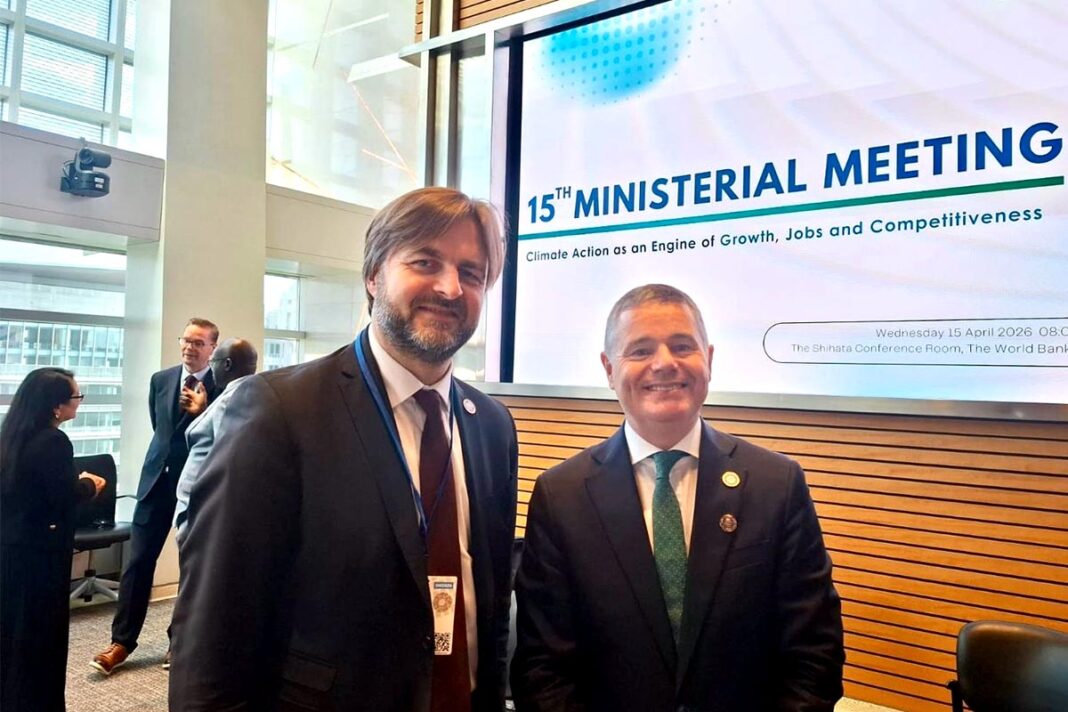
On 15 April 2026, Croatia’s Ministry of Finance formally assumed the role of co-chair of the Coalition of Finance Ministers for Climate Action, joining Uganda and succeeding the Netherlands. It is a move that signals more than diplomatic rotation—it places Croatia closer to the centre of a growing effort to redefine how economic policy responds to climate pressure.
The Coalition, which now brings together 102 countries and more than 30 institutional partners, has evolved into one of the few forums where finance ministries—not environment departments—set the tone on climate action. That distinction matters. The conversation is no longer about targets alone, but about budgets, capital flows, and fiscal resilience.
By stepping into the co-chair role, Croatia is aligning itself with a more assertive position: climate policy as economic policy. The Ministry has framed the mandate around execution—moving from frameworks and commitments to policies that materially affect growth, competitiveness, and financial stability.
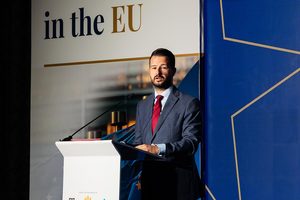
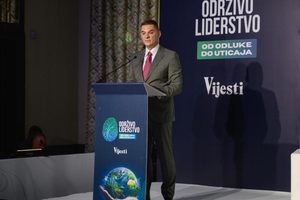
Minister Marko Ćorić described climate action as an economic and fiscal imperative, directly tied to long-term growth, productivity, and resilience. The emphasis is clear: climate is no longer a side agenda, but a core variable in how economies perform.
Over the next two years, Croatia’s leadership will focus on strengthening the role of finance ministries in mobilising both public and private capital, while advancing the development of fiscal and macroeconomic tools that can translate climate ambition into measurable outcomes. Particular attention will be given to supporting countries with more limited institutional capacity—an area where the Coalition increasingly acts as both advisor and enabler.
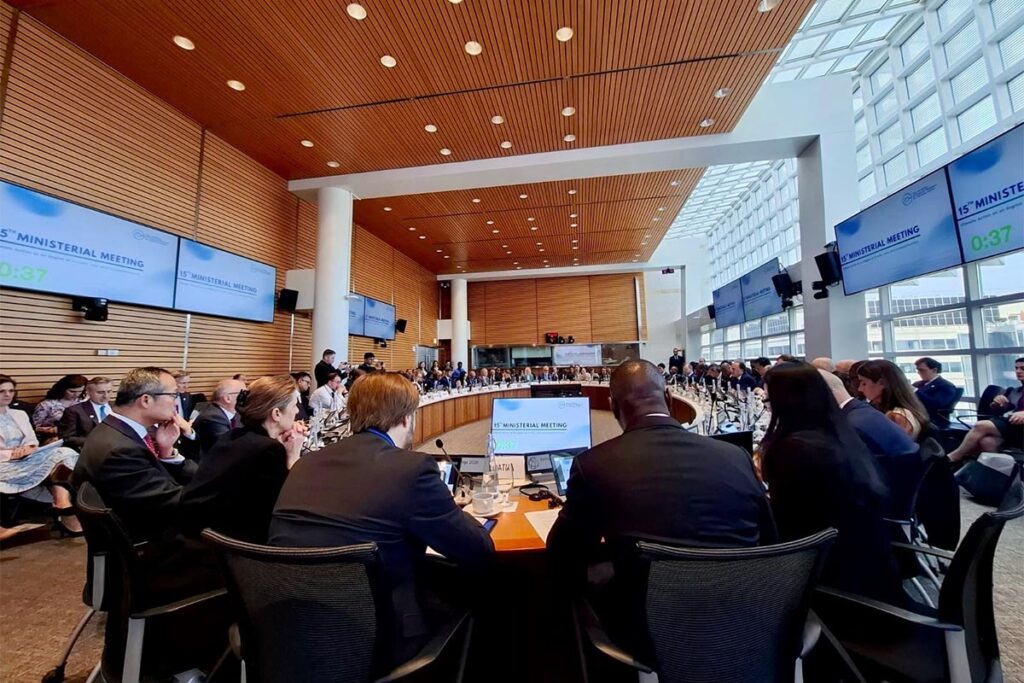
At the centre of this effort is the Coalition’s Strategic Work Programme, designed to push members beyond alignment and into delivery. The goal is not just better policy design, but implementation that can be tracked, measured, and replicated.
Croatia’s positioning is pragmatic. Rather than framing the green transition as a constraint, the Ministry is presenting it as an opportunity—one tied to job creation, energy security, and long-term economic development. It is a narrative increasingly echoed across Europe, but still unevenly executed.
The next phase will test whether that framing can translate into policy traction. Croatia’s active role in EU working groups and OECD initiatives on sustainable finance suggests it intends to stay embedded in the conversations that matter. Whether it can shape them is the more interesting question.
For now, the signal is clear: Croatia is no longer just adapting to the rules of climate economics—it is stepping into a role where it can help write them.