TThe Western Balkans 2030 – Connecting Today’s Efforts to Tomorrow’s Europe conference opened this morning in Belgrade’s Sava Centre, bringing together an impressive audience of government officials from across the region, members of the diplomatic community, European institutions, international organisations, and leading companies.
Organised by The Region magazine with the support of the European Investment Bank (EIB) and UNOPS, the conference also received sponsorship from MTEL, EPS and SME HUB, and partnership support from the Japanese Business Alliance, the Slovenian Business Club and the Nordic Business Alliance. The networking lunch is sponsored by Carlsberg.
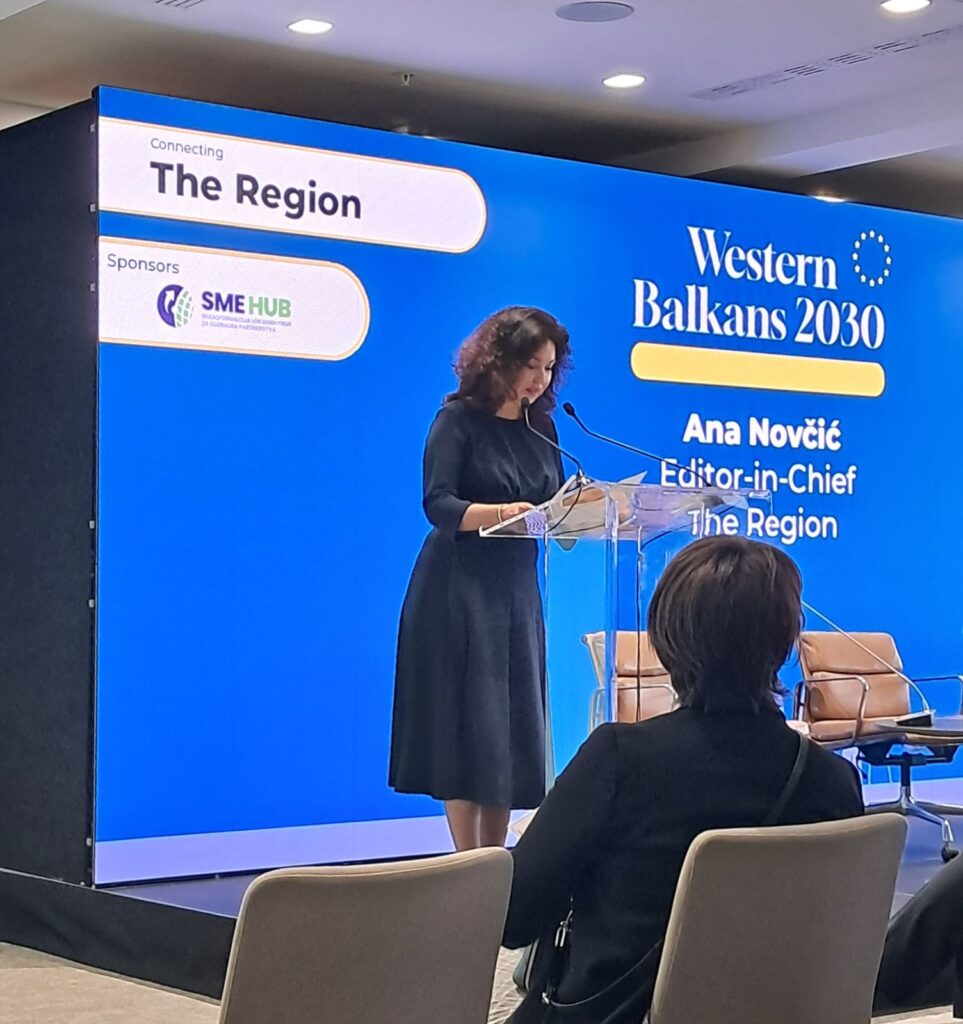
Opening the event, Ana Novčić, Editor-in-Chief of The Region and conference organiser, emphasised the importance of creating a regional platform that unites policy, investment and innovation.
“Today we brought together representatives of international, European and regional institutions, governments, investors and innovators — all those who shape the future of this region,” said Novčić. “Our ambition is for Western Balkans 2030 to become an annual event where ideas turn into concrete actions and partnerships.”
Europe’s Security and Enlargement Go Forward Together
The first opening address was delivered by H.E. Luca Gori, Ambassador of Italy to Serbia, who stressed that Europe’s geopolitical reality has become a fundamental part of its security architecture — and must shape the enlargement process.
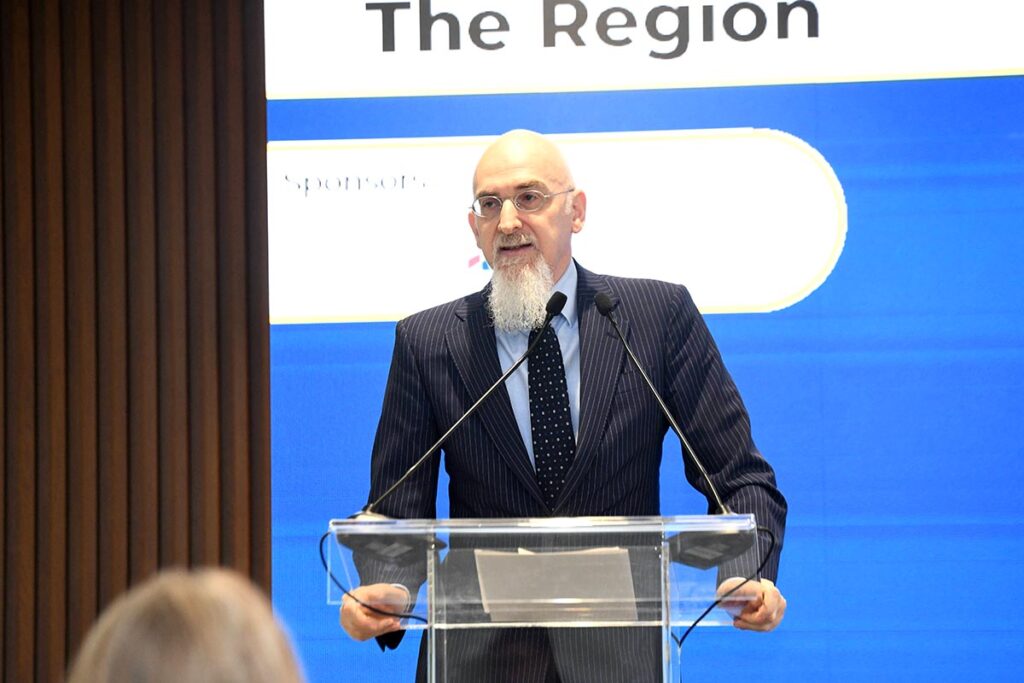
“We need to rethink the accession methodology and strengthen governance to push this process forward,” Gori said. “But the EU must also reform itself to be ready for new members. Montenegro and Albania are at the forefront, but that is not enough — all Western Balkan countries must join the Union. Italy stands ready to support each of them, especially Serbia, on that path.”
UN: Connectivity, Infrastructure and Human Capital as the Foundation for 2030
In her remarks, Matilde Mordt, UN Resident Coordinator in Serbia, underscored the UN’s commitment to improving cross-border cooperation and building resilient infrastructure — essential for economic integration and decarbonisation.
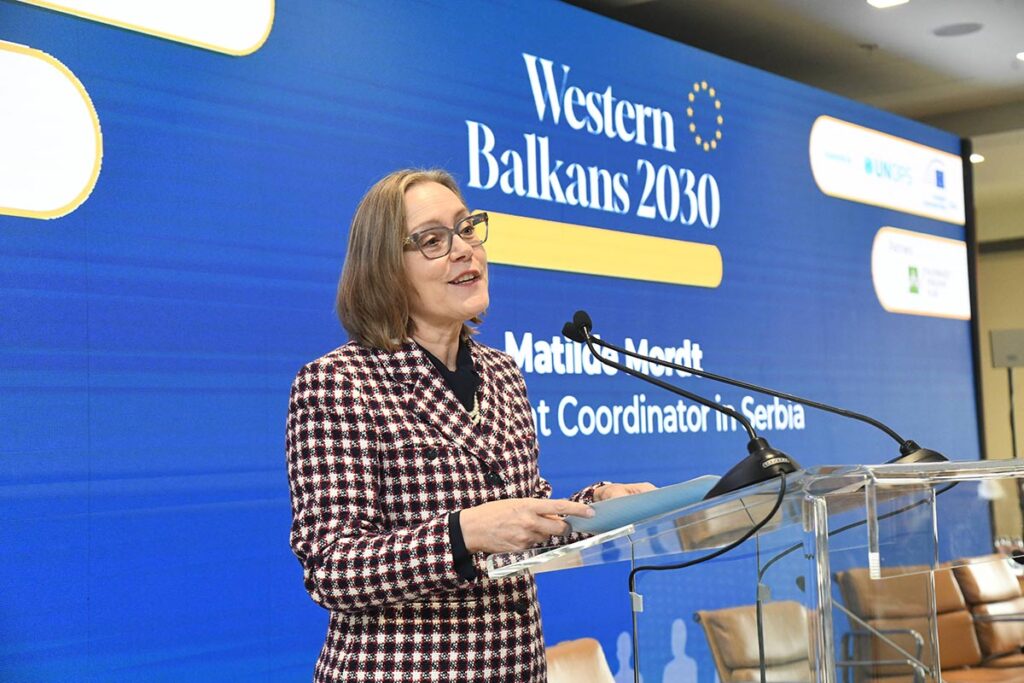
“Improving regional energy lines will reduce costs and support decarbonisation. Connectivity, transport, and digital infrastructure are all central to the region’s future,” she said. Mordt emphasised the importance of investing in talent, calling human capital “our greatest currency.”
“The UN will continue to work closely with governments and international partners to support this shared vision,” she noted.
A Dynamic Programme Ahead
Following the opening addresses, the conference continues with a full-day programme featuring three high-level panels and a dedicated fireside chat.
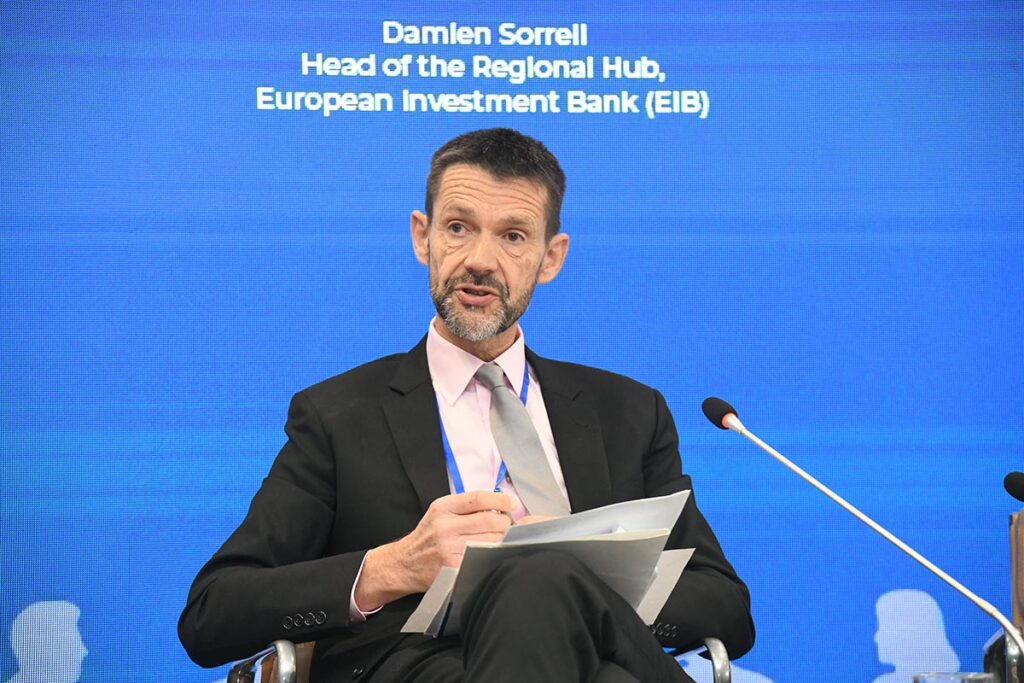
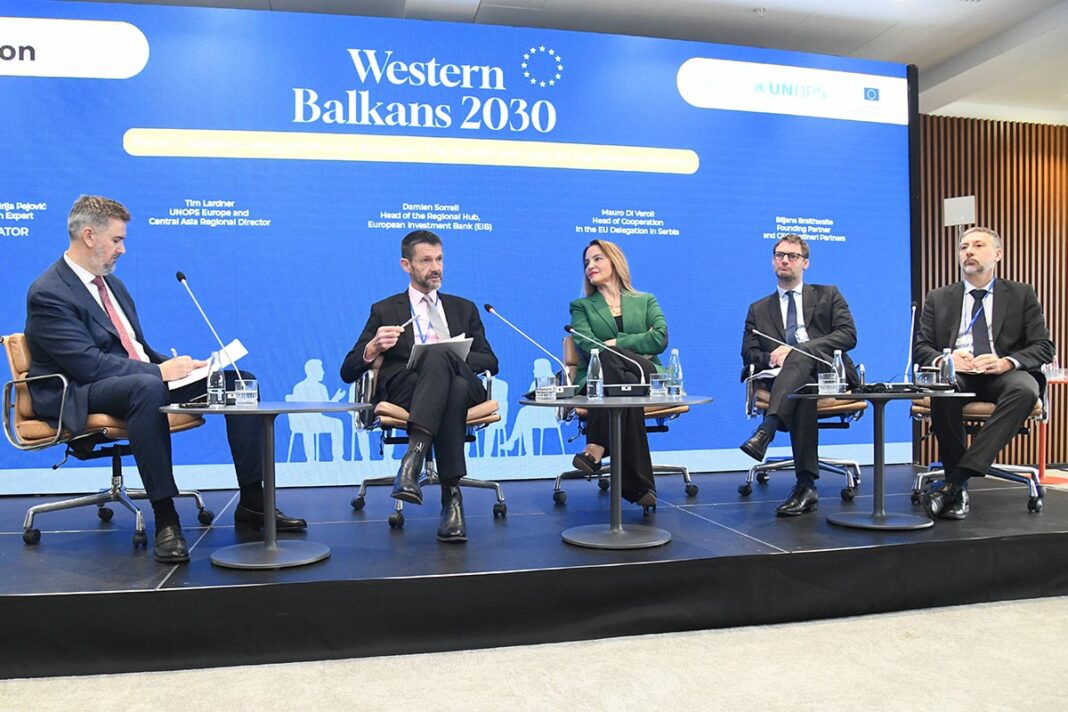
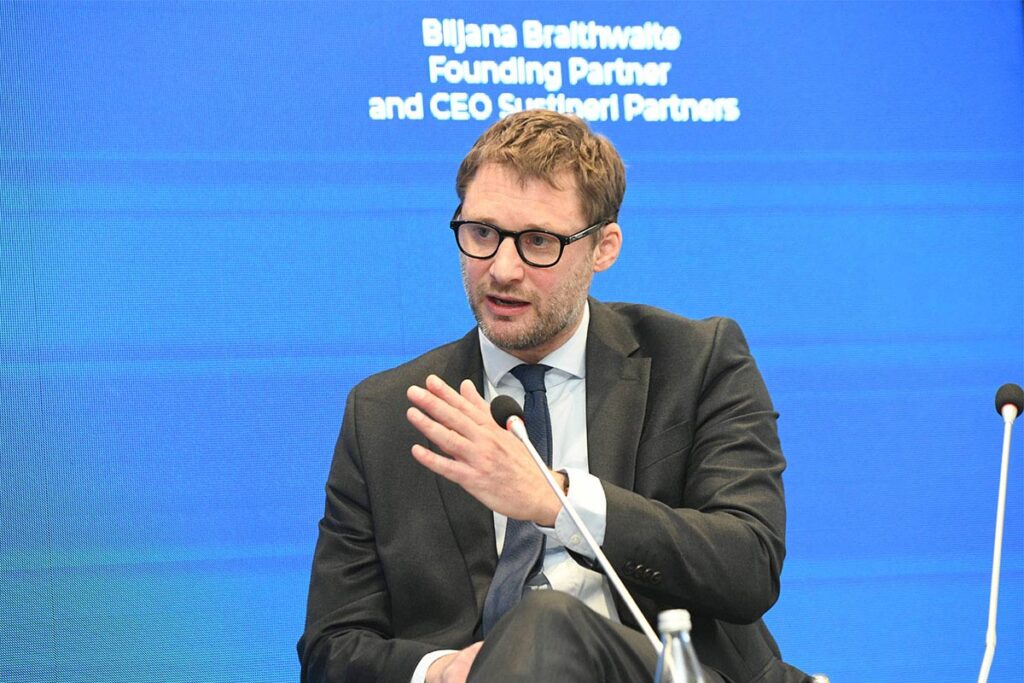
The first panel, Regional Integration & EU Accession – The Investment Case, moderated by Aleksandar Andrija Pejović, brings together Tim Lardner (UNOPS), Damien Sorrell (EIB), Biljana Braithwaite (Sustineri Partners) and Mauro Di Veroli (EU Delegation to Serbia). The second panel, Green Transition – From Commitment to Action, moderated by Branislava Jovičić, features H.E. Edward Ferguson (UK Ambassador to Serbia), Arslan Umut Ergezer (Regional Cooperation Council), Maja Vukadinović (Ministry of Mining and Energy of Serbia) and Dušan Živković (General Manager of EPS). The final panel, Digitalisation & Modernisation – Smart Economies, Stronger Region, moderated by Aleksandar Mastilović, brings insights from Ivan Stoilković (Deputy Prime Minister of North Macedonia), H.E. Niklas Lindqvist (Ambassador of Finland to Serbia, Montenegro and North Macedonia), Jelena Bojović (Centre for the Fourth Industrial Revolution / NALED), Zoran Milovanović (MTEL Montenegro), Aleksandar Goračinov (Swiss-Serbian SME Hub) and Dražen Višnjić (Agency for ICT of Republika Srpska).
The programme also includes a fireside chat with H.E. Akira Imamura, Ambassador of Japan to Serbia, and Oliver Lepori, Executive Director of the Japanese Business Alliance.
Together, these voices set the stage for a day of strategic dialogue on how the region can accelerate integration, strengthen competitiveness and build a more connected and sustainable future.
Photos from the Western Balkans 2030 conference are available here.
Photo: Beta photo/Milan Ilic/Zoran Petrovic/Dario Kostadinovic