
Montenegro is strengthening its integration into the European energy market through infrastructure development, regulatory reforms and investment in renewable energy, with Podgorica confirmed as the host of the next ministerial meeting of the Central and South Eastern Europe Energy Connectivity (CESEC) initiative in 2027.
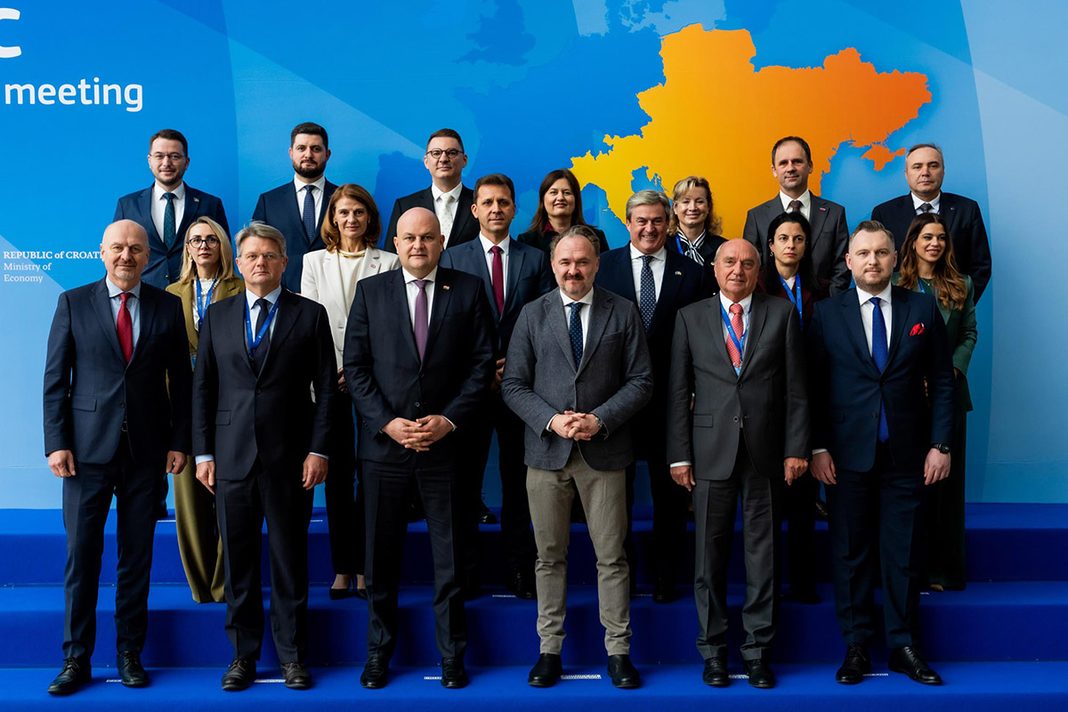
The country’s energy priorities were presented by Minister of Energy and Mining Admir Šahmanović at the CESEC ministerial meeting in Zagreb, attended by European Commissioner for Energy Dan Jørgensen, Energy Community Secretariat Director Artur Lorkowski and senior energy officials from across Europe.
Discussions focused on cross-border energy infrastructure, electricity and gas market integration, security of supply and accelerating investment in renewable energy, alongside efforts to remove obstacles to strategic infrastructure projects.
A central element of Montenegro’s energy strategy is the planned expansion of its submarine electricity interconnector with Italy. The installation of a second cable would double the existing transmission capacity from 600 MW to 1,200 MW, strengthening Montenegro’s position as an energy hub connecting the Western Balkans with the European Union.
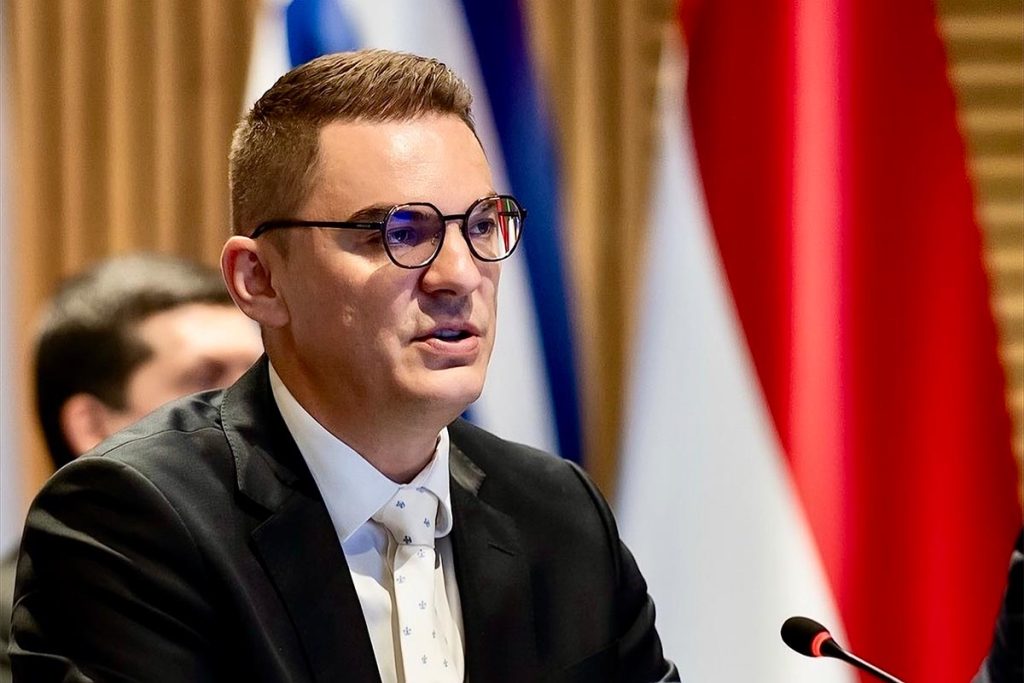
According to Šahmanović, discussions with Italian partners have begun on the next steps towards implementing the project, which is also included in the development plans of Italian transmission system operator Terna.
In parallel, Montenegro is working towards coupling its electricity market with Italy’s, an important step towards participation in the EU’s integrated electricity market and the development of more efficient cross-border electricity trading.
Speaking at the meeting, Šahmanović highlighted progress in energy sector reforms, including the adoption of Montenegro’s National Energy and Climate Plan and further alignment of electricity legislation with EU requirements.
He also pointed to the completion of construction of the Gvozd wind farm, progress on the Trans-Balkan Electricity Corridor and improvements to transmission infrastructure towards Pljevlja.
Looking ahead, investment priorities include further renewable energy development, battery energy storage systems and the modernisation of transmission and distribution networks. Montenegro is already preparing battery storage projects aimed at improving system flexibility and supporting the integration of additional renewable energy capacity.
“Infrastructure development and market integration must advance together. New interconnections can only realise their full potential if accompanied by efficient market mechanisms and greater flexibility of the electricity system,” Šahmanović said.
The Zagreb meeting also confirmed that Podgorica will host the next CESEC ministerial meeting in 2027, following a proposal by the Montenegrin minister that was accepted by European officials.
The gathering will provide an opportunity for Montenegro to advance discussions with the European Commission, the Energy Community and regional partners on strategic infrastructure, investment priorities and the further integration of European energy markets.