Tuesday, 6th January 2026

Positive Trends in Montenegro’s Banking Sector Highlighted by Central Bank

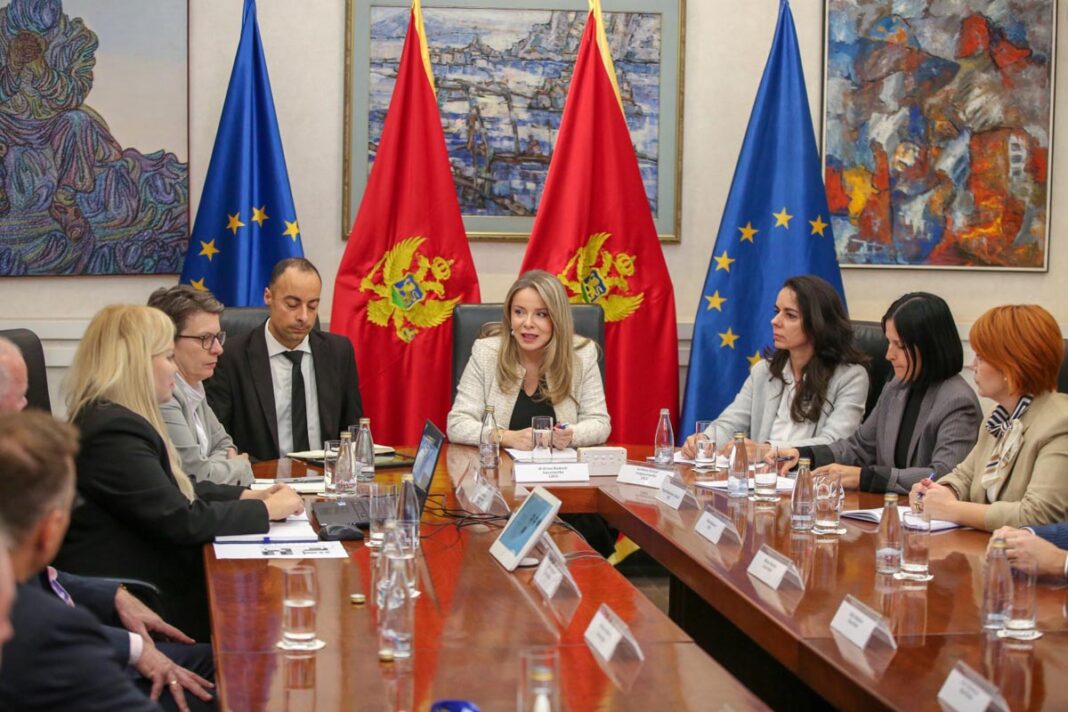
Central Bank of Montenegro’s (CBCG) Governor, Irena Radović met with commercial bank management teams to review developments in the banking sector as well as the results since joining the SEPA payment system and evaluate key priorities for the upcoming period

The CBCG noted that the banking system remains stable, well-capitalized, and liquid, with continued growth in major balance sheet positions. In the first month of SEPA implementation, transaction volumes rose significantly, especially for amounts under €200, with a clear preference for faster, cheaper digital channels, which cost about half as much as branch transactions. Several banks now process over 80% of payments through SEPA, indicating a shift away from traditional SWIFT transfers.

The meeting also covered recent CBCG fee reductions, with RTGS fees halved from €1.50 to €0.75 and DNS fees from €0.10 to €0.05. Banks are expected to pass these savings on to customers by December 1, 2025, while CBCG will monitor compliance to ensure transparent and efficient payment services.

Radović highlighted the CBCG’s continued efforts to align Montenegro’s regulatory framework with EU standards, including draft amendments to the Law on Credit Institutions in line with CRD VI, effective in EU states from January 11, 2026. The central bank also stressed ongoing initiatives to strengthen risk management, sector resilience, ESG compliance, cyber resilience under DORA, and consumer protection.

The CBCG and commercial banks share responsibility for building a modern and resilient financial system, with priorities including payment infrastructure modernization, service quality improvements, and strict implementation of European supervisory standards.

Have a news tip or story to share? Email us at info@connectingregion.com

Photo sourceCBCG/Instagram

Bosnia and Herzegovina Advances Armed Forces Modernization

The Council of Ministers of Bosnia and Herzegovina has approved several multi-year modernization projects for the Armed Forces, including...

North Macedonia to Welcome Two Major High-Tech Foreign Investments

North Macedonian Prime Minister Hristijan Mickoski announced two major foreign high-tech investments, one from Turkey and one from Germany,...

The Year Tech Became the System

AI stopped being a clever add-on and became the backbone—of power grids, regulation, capital, and national strategy. For years, artificial...

New Online Tool Makes Learning Slovenian More Accessible

The textbook, Naslon, is available in seven languages and focuses on practical language skills needed in everyday and official...

Croatia Unveils €2.18 Billion Defence Modernisation Plan

Croatia has approved a €2.18 billion military modernisation package, marking one of the country’s most significant defence investments to...
spot_img

Connecting the Adria Region Decision Makers

The Region is more than a publication - it's where the region's elite converge for insights and opportunities