From Jugoton and the New Wave movement to Croatia Records and today’s streaming era, few people have witnessed the evolution of Croatian music as closely as Siniša Škarica. In this conversation with The Region, he reflects on the institutions, artists and cultural forces that transformed a small country into one of the region’s most influential musical centres. Cultural Capital Siniša
For more than four decades, Siniša Škarica occupied a frontrow seat to one of the most remarkable cultural stories in Southeast Europe. As an editor at Jugoton and later Croatia Records, he worked with generations of artists whose songs crossed borders, survived political upheaval and became part of the shared cultural memory of millions.
Today, as Croatia celebrates a century of organised broadcasting and continues to produce artists who resonate across the region, Škarica believes the explanation lies not in a single genre, movement or performer, but in something built over generations.
Why has Croatian music remained so influential across the region?
People often assume this happened because of particular artists, but the real answer lies in history.
When we speak about Croatian music succeeding across the former Yugoslav space, we are speaking about a tradition that was supported by institutions and infrastructure for more than a century. This year we celebrate 100 years of Radio Zagreb, one of the earliest radio stations in Southeast Europe. Around the same time, Zagreb became home to Edison Bell Penkala, the first record manufacturer in the Balkans. Later came Elektroton, which after nationalisation became Jugoton in 1947 and eventually Croatia Records in 1991. One of Yugoslavia’s first television studios was also established in Zagreb.
Musical tradition, culture and infrastructure developed side by side and often ahead of other parts of the region. That is the real answer to why Croatian music travelled so successfully.
You were one of the editors associated with the New Wave era. Did you realise at the time that something historic was happening?
No, it was not a single moment.
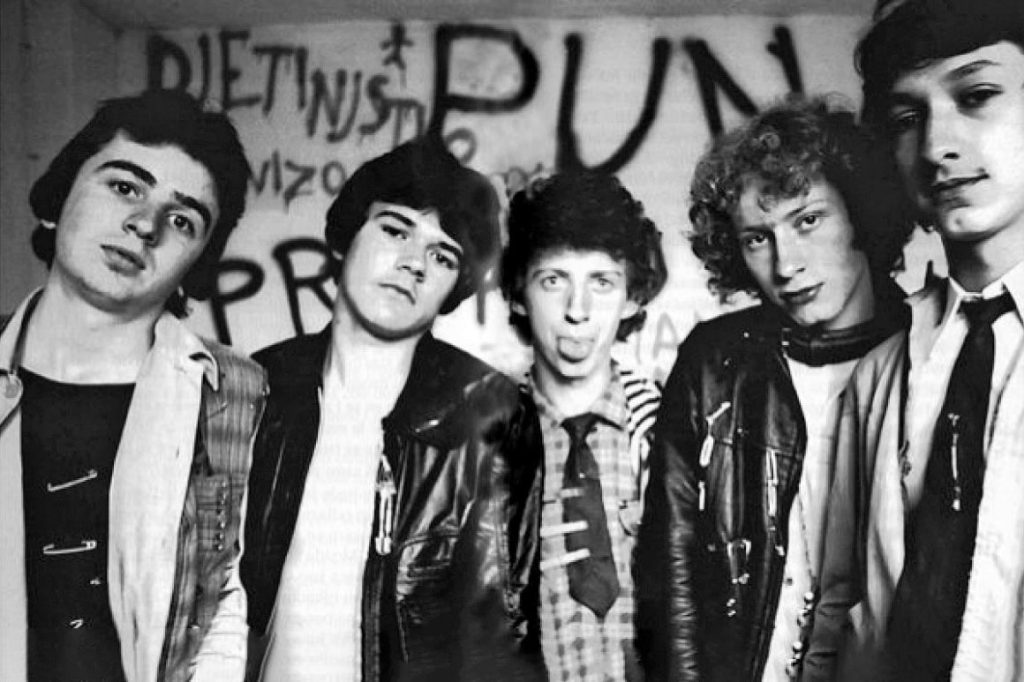
During the late 1970s we could already feel changes in the language of popular music, influenced by new developments in Britain and the United States, particularly punk and New Wave. Initially, these developments lived mainly in youth publications such as Polet and Džuboks. But for something to become a true cultural phenomenon, it needed radio, television, newspapers and, of course, the recording industry.
One of the earliest examples was Prljavo kazalište. They came to my office in Dubrava with recordings that were technically poor but artistically interesting. In 1978, those recordings became what is generally considered the first official punk record released in Yugoslavia.
Croatian music has always balanced Mediterranean, Central European and regional influences. How important was that diversity?
It was essential.
The roots are very deep. You can see them in the work of composers such as Jakov Gotovac and Ivo Tijardović, in Mediterranean musical traditions, in the influence of Italian canzone, in the urban culture of Zagreb and later in the arrival of figures such as Đorđe Novković and the Sarajevo pop school.
Zagreb was not only a cultural centre but also an industrial and media centre. Different traditions met there and created a unique musical environment. That diversity became one of the main reasons Croatian music remained attractive to audiences throughout the region.
Despite political divisions and new borders, Croatian music continues to connect audiences. Why?
Because people’s lives do not begin from zero when borders change.
Our cultural biographies do not disappear because political systems change. New states emerged, but people’s lives continued. Younger generations inherit memories, songs and experiences from those who came before them.
In many ways, younger people often accept music from neighbouring countries more easily than older generations because they carry fewer historical burdens.
You worked with artists such as Arsen Dedić, Gabi Novak, Darko Rundek, Aki Rahimovski, Oliver Dragojević and many others. Which relationships remain particularly meaningful?
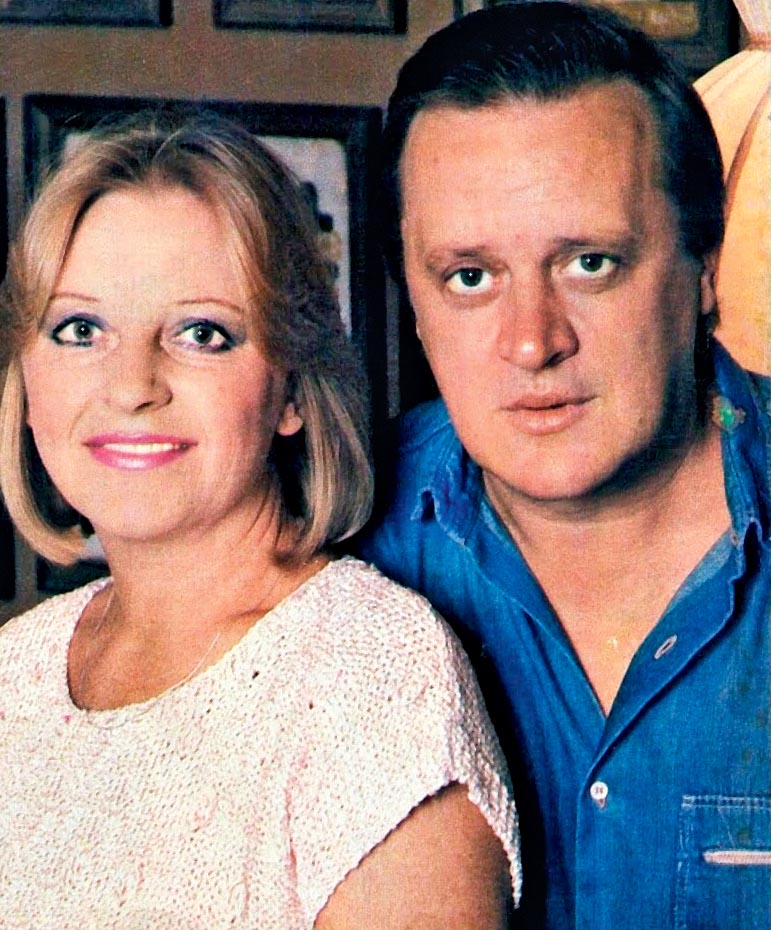
There are many, but if I had to choose, I would mention Gabi Novak and Arsen Dedić.
Our relationship was professional, but it was also deeply personal. We spent time together not only in Zagreb but also in Šibenik. Each of them, in their own way, helped create the foundations of modern Croatian popular music and, by extension, the broader Yugoslav music scene.
Today’s generation includes artists such as Jakov Jozinović, whose popularity extends across the region. How do you view this new era?
Jakov is a fascinating phenomenon.
For decades, artists built careers primarily around original songs or songs specifically written for them. Cover performers existed, but mostly on terraces, in clubs and dance halls. We had never really seen someone reach the very top by performing songs already made famous by others.
That is what makes Jakov unusual.
At the same time, I do not believe this will become a dominant trend. Every generation eventually seeks its own forms of expression. In recent decades that has included hip-hop, rap, trap and earlier dance music. Young audiences always look for something that belongs to them.
If you had to define Croatian pop-rock in a single sentence, what would it be?
A good melody, good lyrics, good chords, good groove and a good performance.
Some things never change.