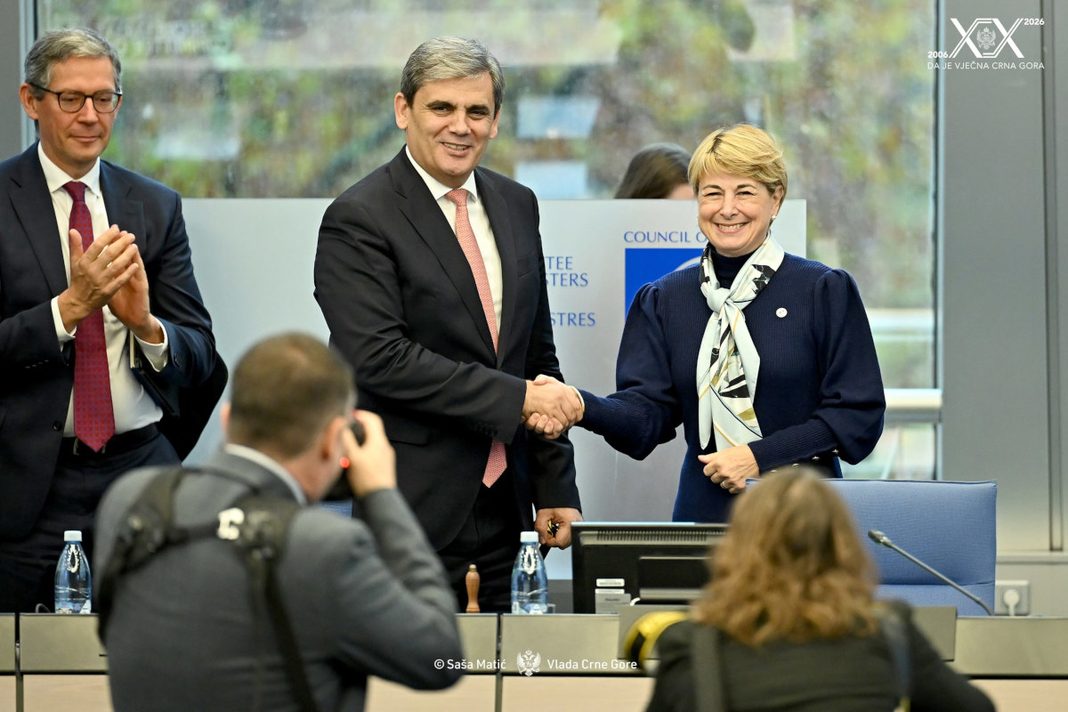
Montenegro has assumed the six-month Presidency of the Committee of Ministers of the Council of Europe, succeeding Monaco and taking on a prominent European diplomatic role at a time when democracy, human rights and the rule of law face growing challenges across the continent.
The Presidency, which runs from 10 November 2026 to 12 May 2027, will be led by Montenegro’s Deputy Prime Minister and Minister of Foreign Affairs, Ervin Ibrahimović.
Council of Europe Secretary General Alain Berset welcomed the transition, thanking Monaco for its leadership and expressing support for Montenegro’s priorities.
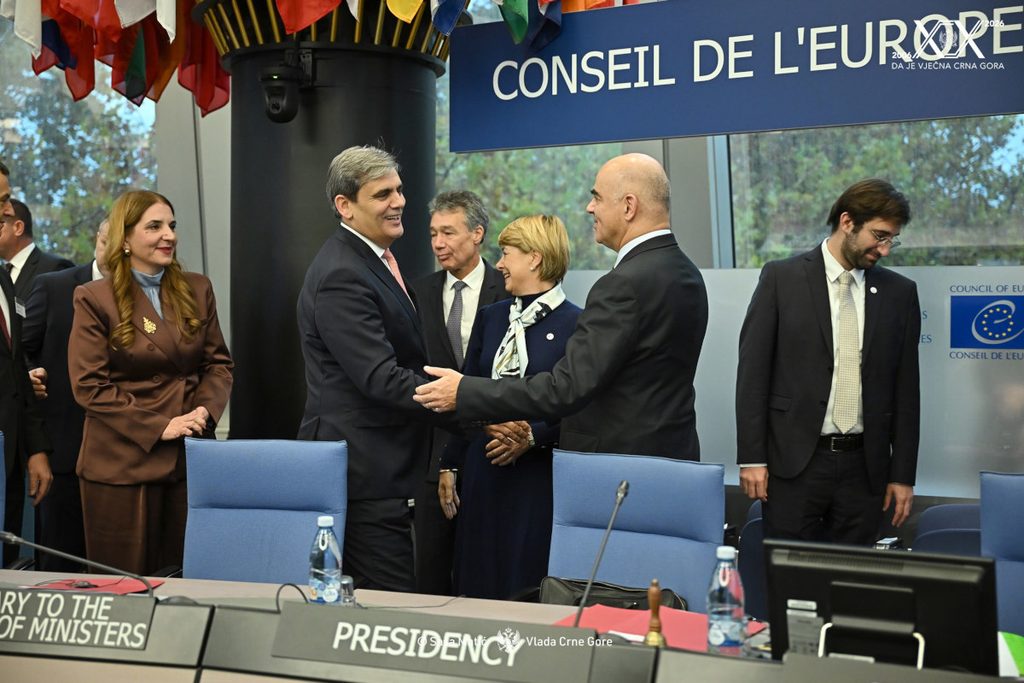
“I now welcome Montenegro and Ervin Ibrahimović as they take over the Presidency of the Committee of Ministers,” Berset wrote on social media, highlighting the relevance of the country’s agenda to the challenges facing Europe.
Three Priorities for Europe’s Democratic Future
Montenegro’s Presidency will focus on three principal areas: democracy in the digital age, equality and fundamental rights, and democratic security through the rule of law.
These priorities reflect broader European concerns about the impact of technological change on democratic institutions, the protection of fundamental freedoms and the resilience of the rule of law.
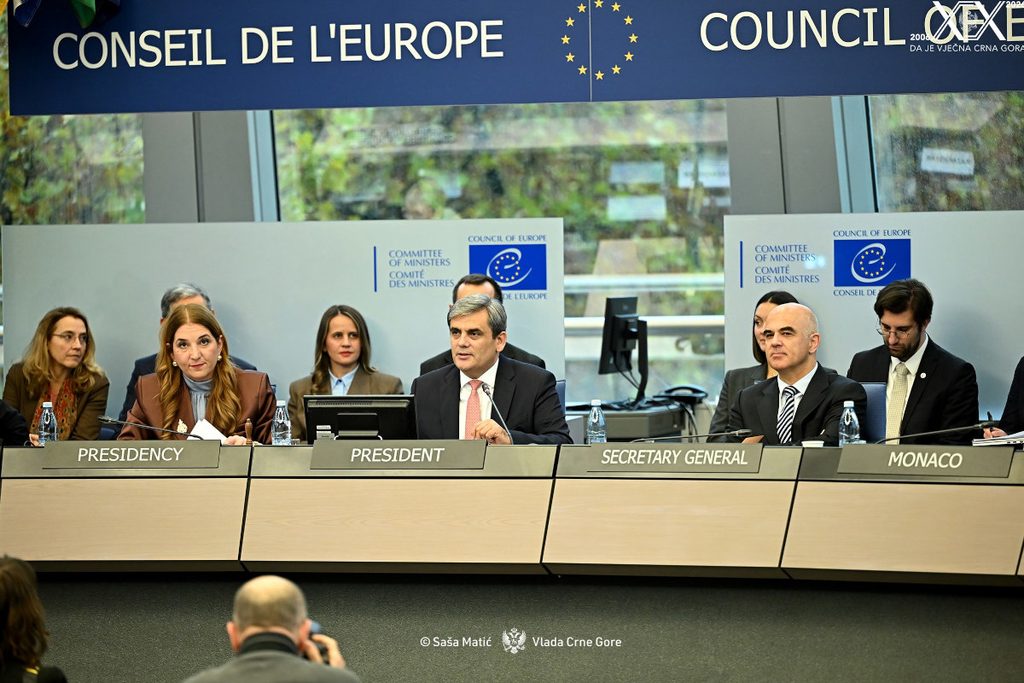
The Presidency also provides Montenegro with an opportunity to strengthen its diplomatic profile and contribute to European policy discussions beyond its ongoing negotiations for membership of the European Union.
Although separate from the EU, the Council of Europe brings together 46 European countries and plays a central role in promoting human rights, democracy and the rule of law.
Kotor to Host European Ministers in May 2027
One of the most significant events of Montenegro’s Presidency will be the Council of Europe’s ministerial session, scheduled to take place in Kotor on 11–12 May 2027.
The meeting will bring together representatives of member states to discuss the organisation’s future priorities, including institutional reform and the New Democratic Pact for Europe.
Berset described the upcoming gathering as a key milestone for both initiatives.
For Montenegro, the Presidency represents an opportunity to demonstrate its capacity to lead multilateral discussions and contribute to decisions affecting the wider European political landscape.
It also comes at an important moment in the country’s European integration process, placing Montenegro in a visible leadership position within a major European institution while it continues its efforts to join the European Union.