
The 2026 figure brings remote work back to the level recorded in 2021, when it was also present in 26% of IT job advertisements. Its share subsequently rose to 31% in 2022 and stood at 29% in 2023 before reaching its 40% peak over the following two years. At the same time, hybrid work has become increasingly common, accounting for 32% of IT vacancies in 2026, compared with 15% in 2023.
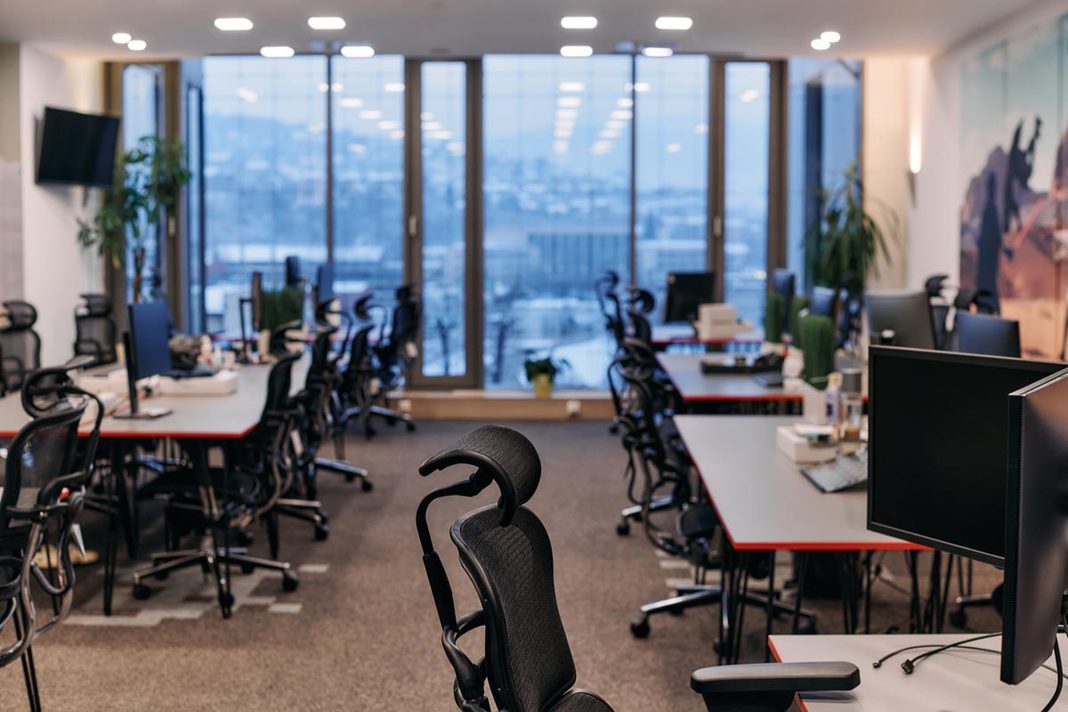
Office-based work has also gained ground. The share of vacancies requiring employees to work from company premises increased from 32% in 2025 to 42% this year, making it the most common working model in IT job advertisements. Infostud attributes the shift partly to companies seeking a balance between the flexibility expected by employees and the benefits of direct collaboration, team development, onboarding and knowledge sharing.
Fully remote positions nevertheless remain common for certain specialised roles.
Software developers and engineers, including Full Stack, Backend and Frontend developers, account for the largest number of remote vacancies, while AI engineers, DevOps specialists, automated testing experts, Python developers and Data Warehouse and Business Intelligence professionals also frequently have remote opportunities.
The change is taking place alongside increased competition among IT candidates. During the first eight months of 2026, job advertisements received an average of 64 applications, compared with 48 in 2025 and 41 in 2024. Office-based positions recorded the highest average, with 76 applications per vacancy, while hybrid and fully remote positions received 57 and 56 applications respectively.
The data suggests that remote work is not disappearing from Serbia’s IT market, but is increasingly becoming a benefit associated with particular companies and roles rather than the industry-wide standard. Hybrid arrangements are emerging as a middle ground, while some employers are bringing employees back to offices more regularly.