The Economic Engine Behind German Investments. Germany has long been a dominant economic force in the Adria region, shaping industries, creating jobs, and integrating local economies into the wider European supply chain. But why is Germany so deeply invested in Adria, and where is this partnership heading next?
From automotive giants setting up factories in Serbia and Slovenia to German energy companies financing renewable projects in Croatia and North Macedonia, this relationship goes beyond trade—it is a strategic alliance shaping the region’s future.
But the landscape is evolving. As global economic shifts, EU enlargement efforts, and new investment incentives emerge, how will German-Adria business ties transform in the coming years?
A cornerstone of regional growth
Germany is one of the largest foreign investors in the Adria region, with its companies deeply embedded in key industries like automotive, manufacturing, finance, and energy.
The automotive sector remains one of the strongest pillars of German investment. Major manufacturers such as Mercedes-Benz, ZF, and Continental have established production hubs in Serbia and Slovenia, integrating the region into Europe’s supply chain. In Croatia and North Macedonia, renewable energy projects backed by German companies are playing a critical role in the region’s transition to a greener economy.
At the same time, German investments in IT and digital infrastructure are rising, with Berlin increasingly seeing the Adria region as a cost-effective and talent-rich base for tech operations.
But challenges remain. Inflation, regulatory uncertainties, and EU integration hurdles have created both opportunities and risks for German investors.
German business leaders speak out
To understand the real impact and future trajectory of German investments in Adria, we turned to two key figures at the forefront of this economic relationship:
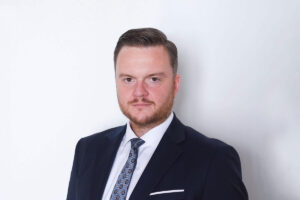
– Marjan Vučak, President of the German-Croatian Chamber of Commerce (AHK Croatia)
– Milan Grujić, President of the German-Serbian Chamber of Commerce (AHK Serbia)
These two leaders have a firsthand perspective on how German companies view the Adria region, the industries attracting the most capital, and the biggest opportunities and risks in the coming years.
In our exclusive interviews, they discuss:
✓ How German investments are shaping Croatia and Serbia’s economies
✓ Which German companies have had the biggest impact and in which sectors
✓ How Croatia’s EU & Schengen integration is driving investment growth
✓ What challenges do German investors face and how to overcome them
✓ The role of Croatia and Serbia as regional entry points for German business
✓ Advice for German business leaders entering the Adria region