

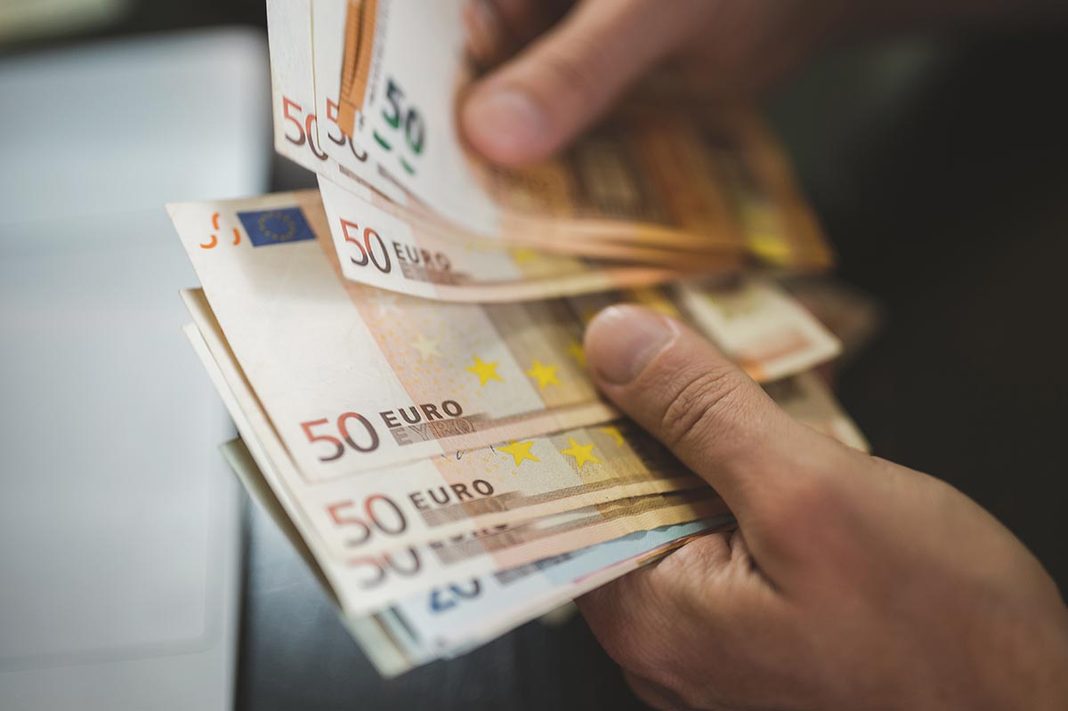
Under the new rules, businesses and individuals acting in a professional capacity will no longer be able to make or accept cash payments exceeding this amount, marking a significant change to the way high-value transactions are conducted across the bloc.
The restriction is included in the EU’s new Anti-Money Laundering Regulation, adopted in 2024, and will apply regardless of whether a payment is made in a single transaction or divided into several instalments that appear to be linked. For example, someone purchasing a car worth €15,000 from a dealership will be able to pay a maximum of €10,000 in cash, while the remaining amount must be settled through another payment method, such as a bank transfer or card.
However, the new ceiling will not apply to private transactions between individuals who are not acting in a professional or business capacity. This means that people selling personal belongings or a privately owned vehicle to another individual will not automatically be subject to the €10,000 limit. Payments and deposits made through banks and other authorised payment service providers are also excluded from the restriction.
The regulation also introduces additional customer verification requirements.
Businesses covered by anti-money laundering rules will generally have to identify and verify customers involved in occasional transactions involving €10,000 or more, while a separate €3,000 threshold will apply to certain customer due diligence obligations. The aim is to make large financial transactions more transparent and make it harder to conceal the origins of illegally obtained money.
Importantly, the EU-wide limit does not mean that all Member States will have identical cash payment rules. Countries that already impose lower limits will be allowed to retain them. The new regulation therefore establishes a common maximum rather than replacing stricter national restrictions. It also does not mean that cash will be abolished or that ordinary everyday purchases will be affected.
The changes form part of a wider European effort to strengthen financial transparency and close regulatory gaps that can be exploited for money laundering and the financing of terrorism. From July 2027, cash will remain a recognised means of payment across the EU, but its use in high-value commercial transactions will be subject to a clearer common framework.