
Montenegro has provisionally closed two more chapters in its European Union accession negotiations, bringing the total to 25 out of 33 and leaving eight outstanding as the country moves towards its goal of completing negotiations by the end of 2026.
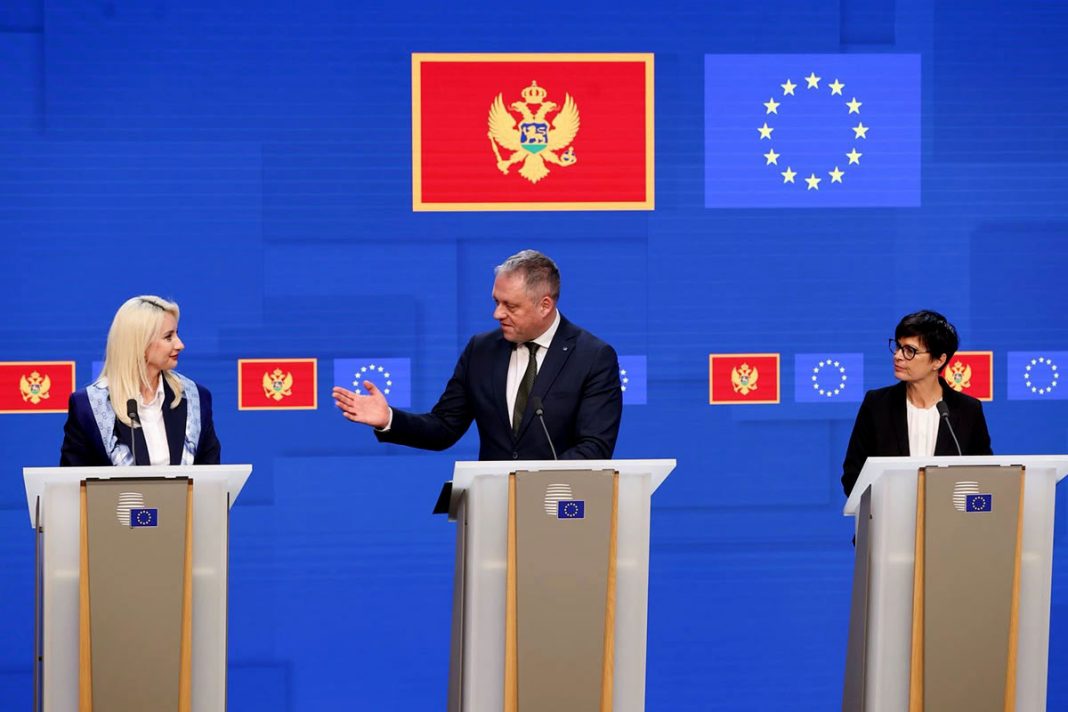
The latest closures were agreed at the 31st EU–Montenegro Intergovernmental Conference in Brussels on 19 November, covering Chapter 16 – Taxation and Chapter 22 – Regional Policy and Coordination of Structural Instruments.
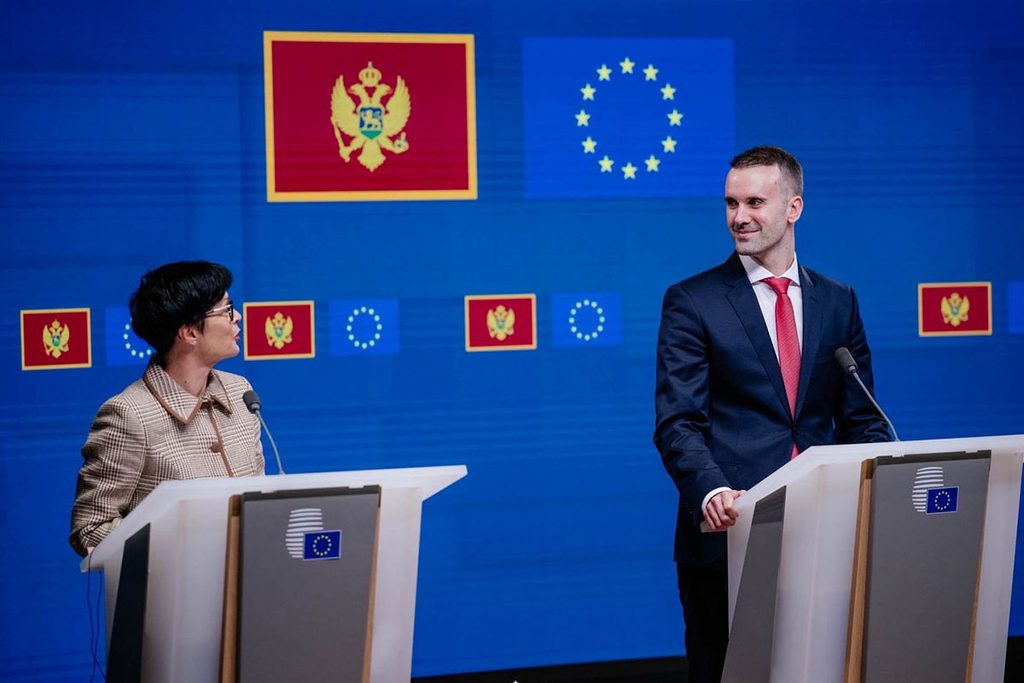
Speaking at the joint press conference following the meeting, European Commissioner for Enlargement Marta Kos highlighted the pace of Montenegro’s progress, noting that only Lithuania and Latvia had historically closed more negotiating chapters within a single year. She attributed the achievement to sustained reform efforts and political cooperation, while emphasising that the remaining work would require continued commitment.
Kos also stressed the importance of good relations with neighbouring countries, including resolving outstanding bilateral issues with Croatia, as Montenegro approaches the final stage of negotiations.
What the Latest Closures Mean for Montenegro’s Economy
The two chapters have direct implications for Montenegro’s economic development and its preparations for EU membership.
Chapter 16 concerns the alignment of taxation rules with EU legislation, including the framework governing indirect taxation and administrative cooperation. Its implementation is important for creating a more predictable business environment, improving tax administration and supporting fair competition within the European single market.
Chapter 22 focuses on the institutional and administrative capacity needed to manage EU cohesion policy.
For Montenegro, this means preparing the systems required to plan, implement and oversee European-funded projects in areas such as infrastructure, regional development and employment.
Montenegro’s Minister of European Affairs, Maida Gorčević, has emphasised the importance of preparing investment projects ahead of accession so that the country can make effective use of European funding opportunities once they become available.
Eight Chapters Remain
The latest milestone follows the closure of two chapters on 6 November, covering the free movement of goods and food safety, veterinary and phytosanitary policy.
Irish Minister of State for European Affairs Thomas Byrne welcomed Montenegro’s progress, while the European Commission has assessed that the remaining closing benchmarks have been met, making the country’s objective of concluding negotiations by December achievable.
The eight chapters still awaiting closure cover financial services, transport, energy, judiciary and fundamental rights, justice and security, environment and climate change, foreign and security policy, and financial and budgetary provisions.
With more than three-quarters of its negotiating chapters now provisionally closed, Montenegro is approaching the final stage of its EU accession negotiations. However, the remaining decisions will require agreement among EU member states, while the implementation of reforms and resolution of outstanding bilateral issues will remain important to the process.
Completing the negotiations would represent a major milestone, although EU membership would still depend on the conclusion and ratification of an accession treaty.