Producer Neb Chupin explains why the film Storm Rider (Gospodar Oluje) is entering more than 300 U.S. cinemas through a high-risk self-release strategy — and what success or failure could mean for filmmakers from the Adria region.
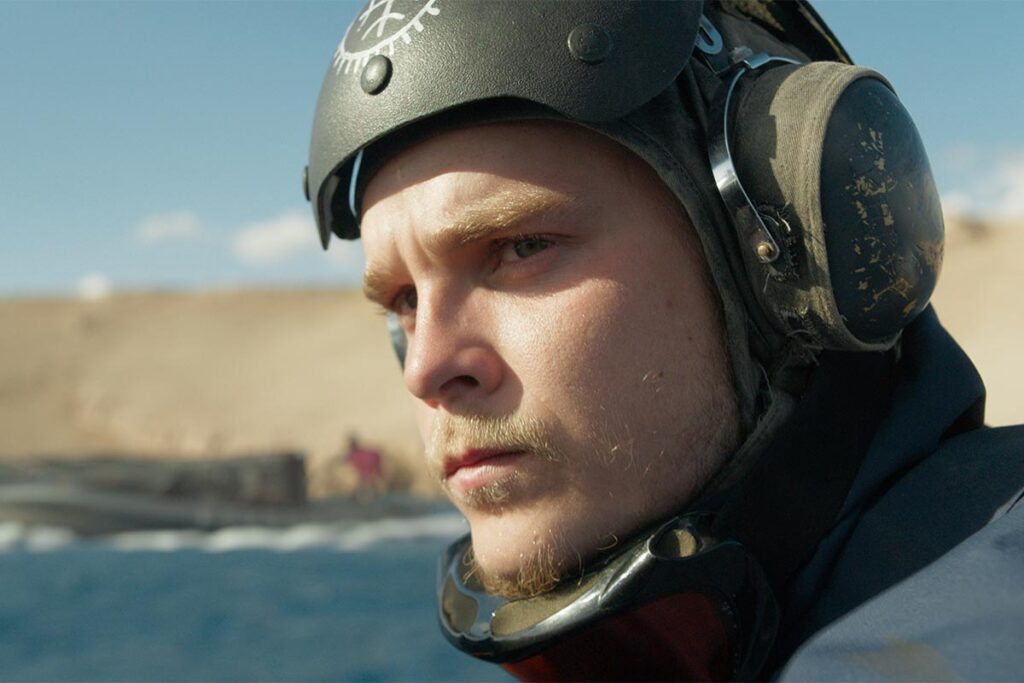
A new film project connecting Hollywood and the Adriatic region is preparing to test its chances in the most competitive cinema market in the world. Storm Rider (Gospodar Oluje), a Hollywood-Serbian production, will premiere in Hollywood on 13 March, with a red-carpet premiere in Belgrade scheduled for early April.
Even before its official release, the film has already reached a milestone. With more than 300 cinema screenings across the United States, it is expected to achieve the widest U.S. theatrical release ever secured by a production originating from the region.
The film is directed by Serbian filmmaker Zoran Lisinac, known as the co-director of the hit film Toma, together with Croatian director Domagoj Mazuran. Behind the ambitious project stands producer Neb Chupin, a Croatian-American entrepreneur who has built a business career across both Croatia and the United States and has previously collaborated with major Hollywood figures, including John Travolta. The cast combines international and regional talent, including Ivana Dudić, Sergej Trifunović and Goran Bogdan, alongside Hollywood actors.
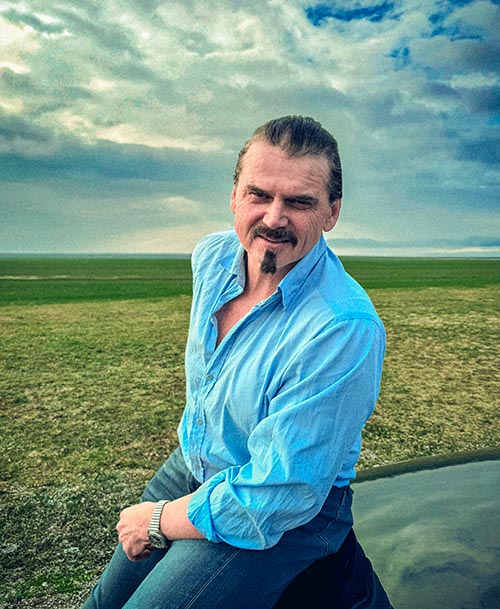
In conversation with The Region, Chupin speaks openly about the realities of launching an independent film in the United States, the decision to pursue a high-risk self-release strategy and the broader opportunity for filmmakers from the Adria region to reach global audiences.
“Storm Rider” (Gospodar Oluje) is set to open in more than 300 cinemas across the United States — something no regional production has achieved before. What specifically made this scale of distribution possible, and how early in the process did you design the project with the U.S. market in mind?
Do you want the truth, or do you want it sugar-coated?
The truth is that the film market in 2025–2026 is probably the most competitive and volatile it has ever been. We were not able to secure U.S. sales agents to place the film in theatres, so I decided to pursue a self-release strategy where all the risk falls on us — on the producers.
What encouraged me were two market screenings in Cannes and at the American Film Market last year. Both screenings were completely full. People were almost hypnotised watching the film and didn’t want to leave the theatre afterwards.

But now that we are going nationwide, the real challenge begins — how to get people into theatres. We are entering the most competitive market in the world with no built-in advantages: no massive social-media following, no A-list actors, no famous intellectual property and no established brand. We are essentially starting from scratch.
Since our marketing budget is nowhere near the scale of the major blockbusters, our biggest hope is word of mouth. We hope audiences genuinely connect with the film and recommend it to their friends.
You operate between Croatia and the United States and have worked with major Hollywood figures in the past. From your perspective, what is the biggest misconception filmmakers from our region have about breaking into the American market?
It’s very hard to explain to someone in our region just how competitive the United States is unless you’ve actually lived there for some time.
In the Balkans, it often becomes major news if someone achieves success in the U.S., but I’m not sure how much ordinary people here can really relate to that. People have their own lives and their own concerns.
Of course, it sounds impressive and it gives you a reputation. People say, “He made it in America.” But does that really change anything for most people here? I’m not sure.
What I do believe is that we in this region should become more confident and start developing projects here that can later become successful internationally — including in the United States.
This project is both creatively regional and commercially international. How did you structure the financing and partnerships to balance artistic identity with global market expectations?
At the beginning, I thought there would be more investors and more people who shared the same vision for this film. At its core, the film is about showing our natural beauty, our traditions and our family values.
But when things became difficult, it was very hard to find additional support. Eventually I realised I was largely on my own.
I relied on all my experience, knowledge and determination to push the project through.
In practical terms, what does it take for a Balkan film to secure wide U.S. theatrical distribution today?
It means a great deal. This is the first time someone from our region — or even from Europe — has tried to assemble a project of this scale and compete with major Hollywood productions.
We do rely on our diaspora to help us by bringing their American friends to see both our film and our region.
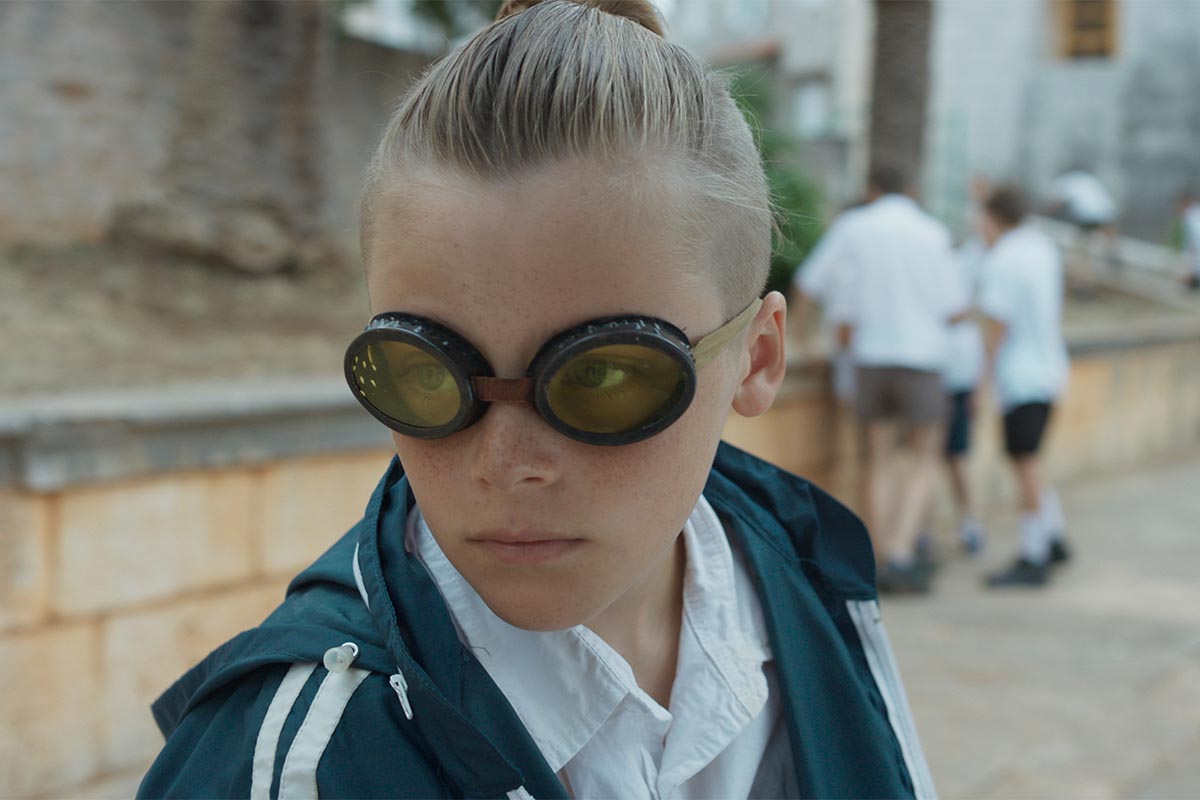
The story takes place on a small Adriatic island and focuses on relationships within a family, especially between a grandson and his grandfather. But we wanted to make the project more commercial and exciting, so the final result became what I would describe as an apocalyptic sci-fi family adventure.
Hollywood is increasingly global yet highly competitive. What competitive advantage can talent from the Adria region bring to international productions?
It is very difficult for Hollywood to recognise you. You really have to win them over before they accept you.
I hope audiences in Hollywood will appreciate both the natural beauty of the Adriatic coast that we show in the film and the creativity of the story itself.

We are holding a grand premiere in Beverly Hills at the Saban Theatre on 13 March, and we will soon see how Hollywood reacts.
If “Storm Rider” succeeds commercially in the United States, what would that change for you personally and for the regional film industry?
If Storm Rider succeeds commercially in the U.S., it will be a “to be or not to be” moment. That’s how important this is. Everyone is watching.
The only real reason for failure would be if not enough people go to see the film. If audiences show up, we will succeed. That means marketing is absolutely critical and right now that is where all our focus is.
For me personally it would mean a lot — enormously. A huge weight would fall off my shoulders.
But I am also prepared for a much longer fight if the film does not perform well in theatres. Our second opportunity will be streaming platforms.
To be honest, theatres make me nervous. There are many unknown factors. 2026 is a very competitive year with many major releases. We are still largely unknown and theatres are giving us locations in suburban and smaller towns.
In many ways it is a gamble. But I believe quality eventually finds its audience.
You have built a successful business career alongside your work in film. Do you approach cinema primarily as art, investment or cultural diplomacy?
I am someone who becomes passionate about projects. If I were purely a business-driven person, I probably would never have entered this field.
Earlier in my career I succeeded by bringing a piece of our culture to America. It wasn’t easy. It was a long and demanding process.
I approached cinema in the same way. I knew what I wanted to communicate, and I believe artistic expression, cultural representation and business considerations are all equally important.
Looking ahead, do you see this as a one-time breakthrough or the beginning of a broader strategy for regional films globally?
With less than two weeks before the opening, I already see this as a breakthrough.
But perhaps it will also open doors for more projects from our region. Our people are smart, ambitious and hardworking. Who knows how many great projects are being developed quietly right now, waiting for their moment.
No one knew about our film until recently either. Now, after eight years of work, we are finally ready to show the world what we have created — and hopefully open opportunities for others as well.
