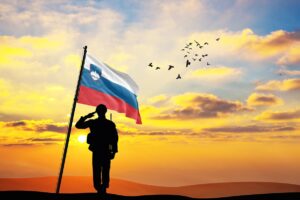
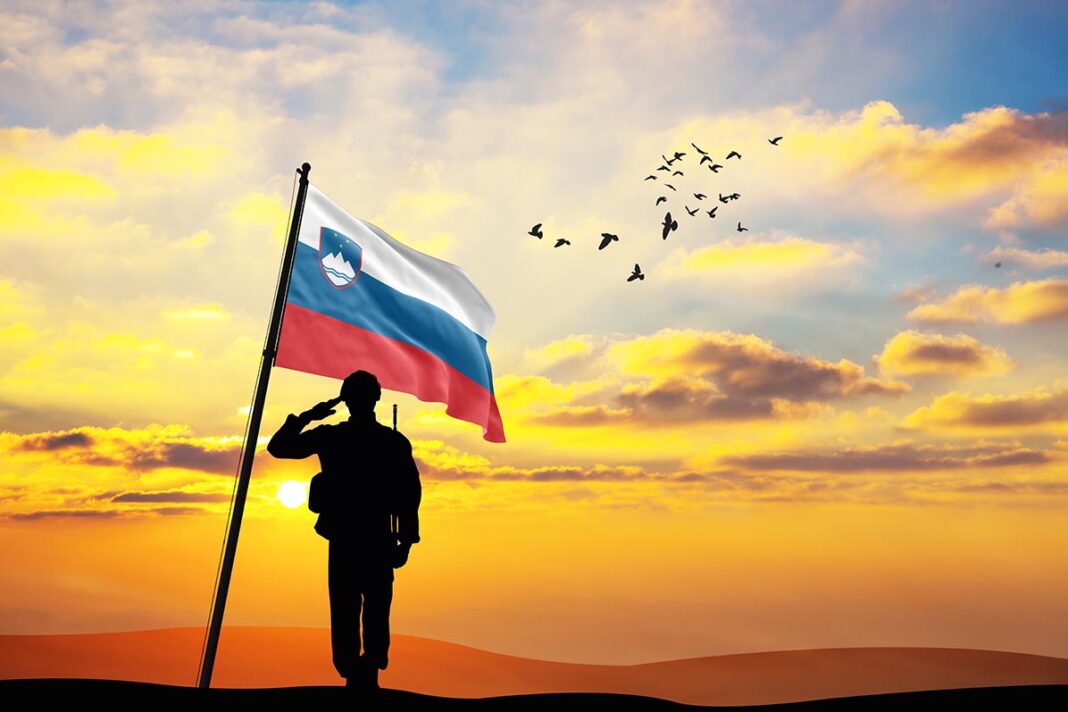
Slovenia’s armed forces improved their operational readiness in 2025 following a significant increase in defence spending, according to the latest annual review. President Nataša Pirc Musar highlighted progress in training, equipment and infrastructure, but stressed that key weaknesses remain in staffing, logistics and combat capabilities. Military leadership also pointed to positive trends across planning, weapons systems and personnel development.
The improvements come after Slovenia raised defence spending to 2.04% of GDP in 2025, meeting NATO targets and marking the highest level since the early 1990s. Under long-term plans, spending is projected to reach 3% by 2030, reflecting growing security concerns across Europe.
However, despite increased funding, the armed forces remain below their target strength, with just over 7,500 personnel, well short of the 10,000 benchmark.
Delays in key procurement projects, particularly armoured personnel carriers, continue to hinder the country’s ability to meet core NATO capability goals. Defence Minister Borut Sajovic indicated the deal could move forward this year, while the president urged swift approval by the incoming government. For now, Slovenia maintains a voluntary military system, with officials signalling that any move toward conscription would depend on further deterioration in the global security environment.