For nearly a century, Croatia has been producing something that travels more easily than goods, survives political upheaval and reaches audiences far beyond its borders. From Oliver Dragojević to Baby Lasagna, from Jugoton to streaming platforms, Croatian music has become one of the country’s most enduring exports. The question is not how Croatia produced a few successful artists. The question is how a country of fewer than four million people became the soundtrack of an entire region.
On a warm evening somewhere between Ljubljana and Skopje, there is a good chance that a crowd is singing a Croatian song.
It may be Oliver Dragojević. It may be Parni Valjak. It may be a song written by Arsen Dedić or recorded decades ago in a Zagreb studio. Increasingly, it may be a younger artist such as Baby Lasagna or Jakov Jozinović. The names change, the platforms change and the generations change, yet one thing remains remarkably constant: Croatian music continues to travel.

For decades, Croatian artists have occupied a unique place in the cultural imagination of Southeast Europe. Their songs cross borders with an ease that politicians, diplomats and business leaders often envy. They are played at weddings, festivals, cafés and family gatherings throughout the region. Long after states disappeared and new borders emerged, the songs remained.

This was not an accident.
Croatia’s musical influence was built over generations. Long before the modern music industry emerged, Zagreb had already developed the institutions that helped shape a thriving cultural ecosystem. Radio stations, recording studios, music schools, broadcasters and eventually Jugoton created the infrastructure capable of discovering talent and bringing it to audiences far beyond Croatia’s borders.

The result was more than commercial success. It was cultural influence.
From the New Wave movement that transformed Yugoslav rock to the enduring popularity of artists such as Oliver Dragojević, Gabi Novak, Arsen Dedić and Darko Rundek, Croatia consistently produced music that felt both local and universal. Mediterranean melodies, Central European influences and urban sophistication combined to create a sound that resonated across different generations and identities.
That legacy continues today.
The rise of Baby Lasagna demonstrated that artists from a small market can still capture international attention, while the regional popularity of Jakov Jozinović suggests that shared cultural references remain remarkably resilient. The platforms may be new, but the emotional geography remains familiar.
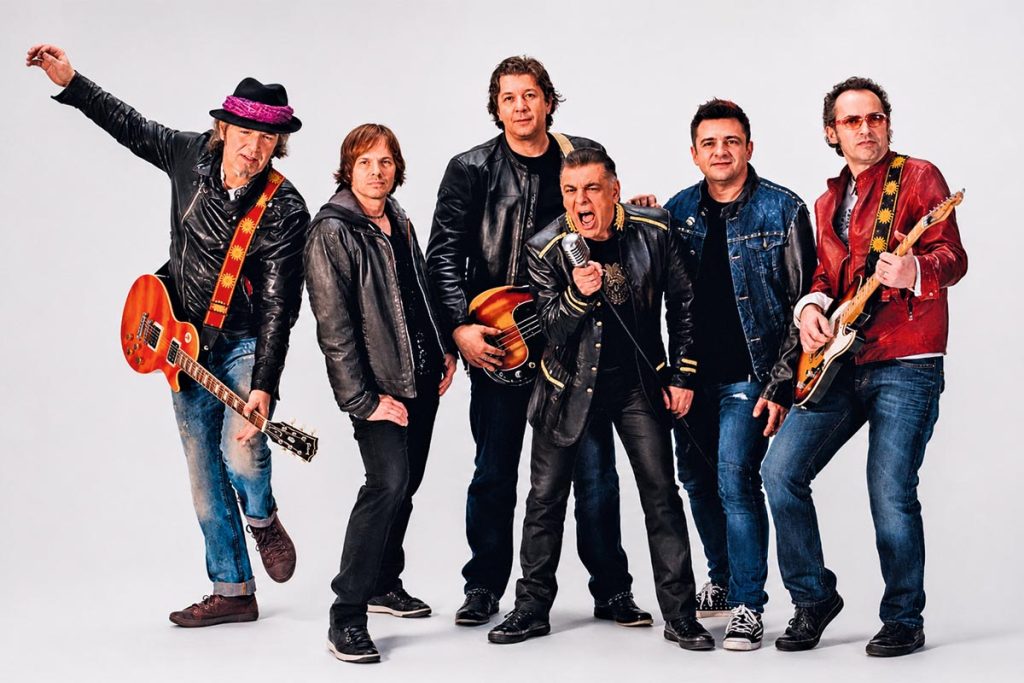
Few people understand that story better than Siniša Škarica. As one of the most influential editors in the history of Jugoton and Croatia Records, he witnessed the rise of the artists, institutions and movements that helped turn Croatia into the region’s musical powerhouse.
His story is, in many ways, the story of how Croatia became the soundtrack of Southeast Europe.
