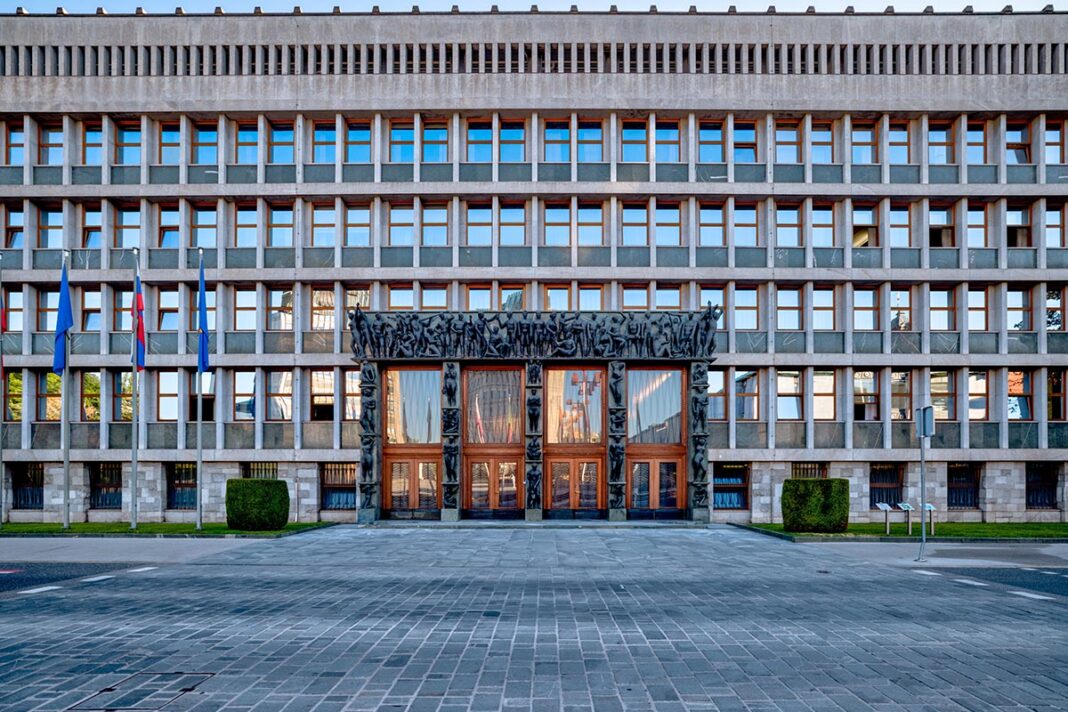
Slovenia has officially confirmed the results of its 22 March general election, with the National Electoral Commission certifying the outcome after rejecting opposition complaints over alleged irregularities. The centre-left Freedom Movement emerged as the largest force with 29 seats in the 90-member parliament, narrowly ahead of the Slovenian Democratic Party with 28, in a tightly contested vote marked by a turnout of just over 70%.
The fragmented results have set the stage for complex coalition negotiations, with Prime Minister Robert Golob proposing a broad “government of national unity” while ruling out cooperation with SDS.
Early outlines suggest a multi-party coalition involving several centrist and left-leaning groups, though disagreements, particularly with the centre-right New Slovenia, highlight the difficulty of forming a stable majority.
Despite opposition claims of voting irregularities, including issues with ballots abroad, authorities dismissed the complaints, stating there was no evidence of systemic breaches. President Nataša Pirc Musar has convened the inaugural session of the new parliament for 10 April, where the election of the National Assembly speaker is expected to provide the first clear signal of a future governing coalition.