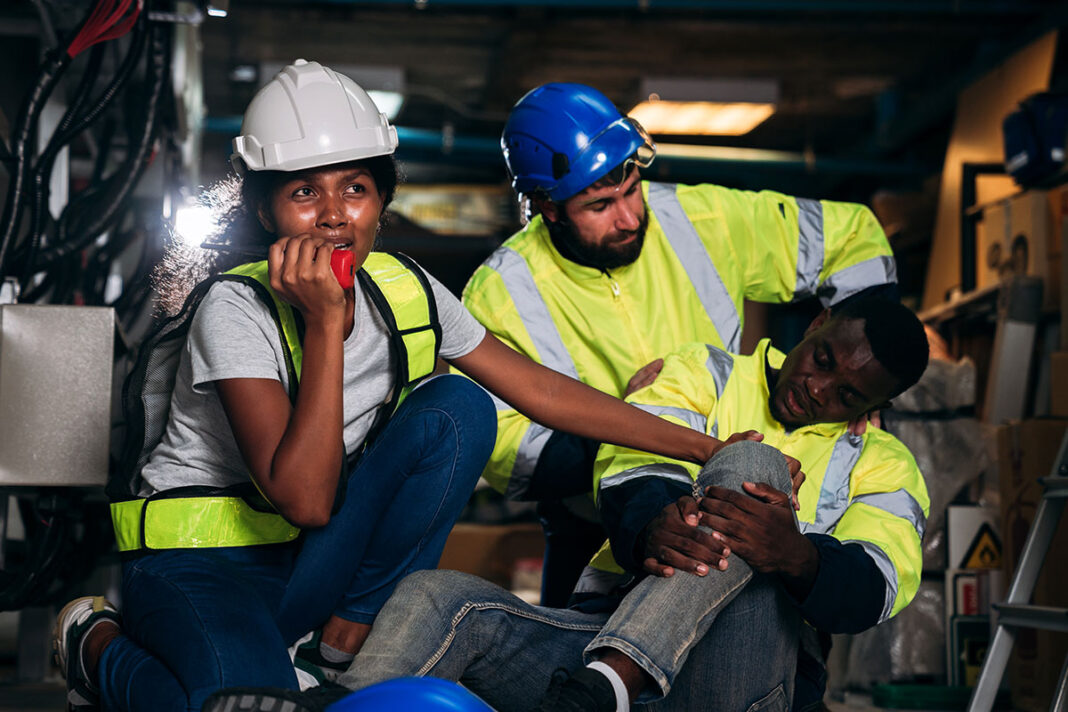
Reports from Serbia reveal that foreign workers, including those from Egypt, Vietnam, and India, often face poor working conditions, delayed payments, and contracts that do not match promises made by employers. Many of these workers, employed in construction and manufacturing, have formed informal groups to advocate for their rights, with some even considering protests if issues are not addressed.
Deputy Minister of Labour and representatives of worker groups stress that while the state facilitates the entry of thousands of foreign workers, enforcement of labour rights often falls short, leaving employees dependent on employers for fair treatment.
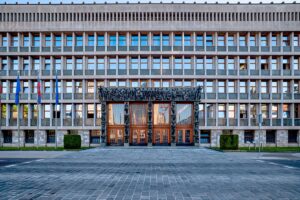
This situation contrasts with EU countries in the region, such as Croatia and Slovenia, where foreign workers benefit from stronger labour protections and regulatory oversight. In non-EU Western Balkans countries like Serbia, Bosnia and Herzegovina, Albania, and Montenegro, foreign employees often face less legal protection, making them more vulnerable to exploitation.