Five scientists from across Africa, Europe, Asia-Pacific, Latin America and North America have been selected as recipients of the 2026 International L’Oréal-UNESCO For Women in Science Awards, as the programme renews its long-standing partnership amid continued gender imbalance in global research.
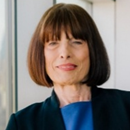
The awards, which will be presented on 11 June at UNESCO headquarters in Paris, recognise pioneering contributions in life and environmental sciences — from regenerative medicine and genomics to agricultural biotechnology and nutrition-based psychiatry.
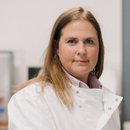
This year’s laureates were selected from a record 504 nominations across 89 countries, reflecting the growing scale and visibility of the programme, now in its 28th edition. Since its launch, the initiative has supported more than 5,000 women researchers worldwide, including 142 international laureates, seven of whom later received Nobel Prizes in science.

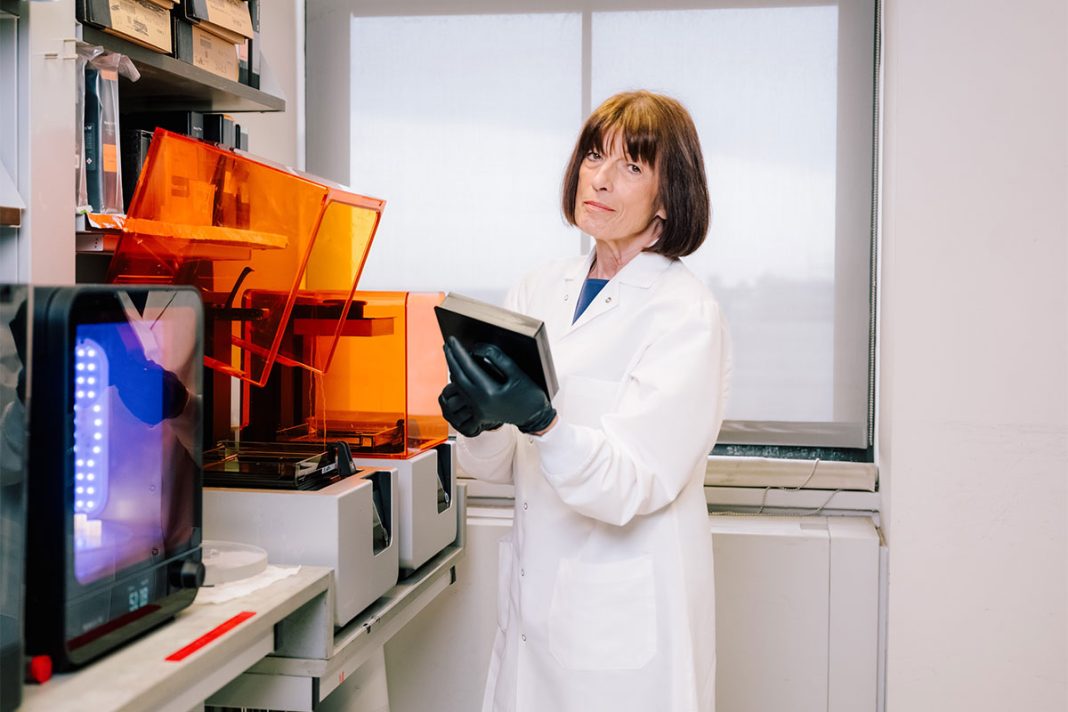
Among the 2026 award recipients is Gordana Vunjak-Novaković, a professor at Columbia University, recognised for her work in tissue engineering and regenerative medicine. Her research on bioengineered tissues and “organs-on-chips” has contributed to advances in modelling human organ function and developing new approaches in biomedical science.
The European laureate, Sarah A. Teichmann of the University of Cambridge, was recognised for interdisciplinary research combining genomics and computational biology to better understand the human body at single-cell level. Her work has become an important resource for biomedical research and drug discovery.

Other laureates include South African cardiology researcher Liesl Zühlke, Australian psychiatrist Felice Jacka and Argentine agricultural biotechnologist Raquel Lia Chan. Their work addresses issues ranging from childhood cardiovascular disease and mental health to food security and climate resilience.
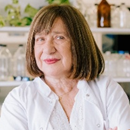
The announcement also marks the renewal of the partnership between the L’Oréal Foundation and UNESCO for another six years. The organisations said the extension aims to strengthen long-term support for women in science, from school-level initiatives to international recognition programmes.
According to UNESCO data cited by the programme, women continue to represent only around one-third of researchers globally — a gap that organisers say continues to affect diversity, perspective and innovation in scientific research.