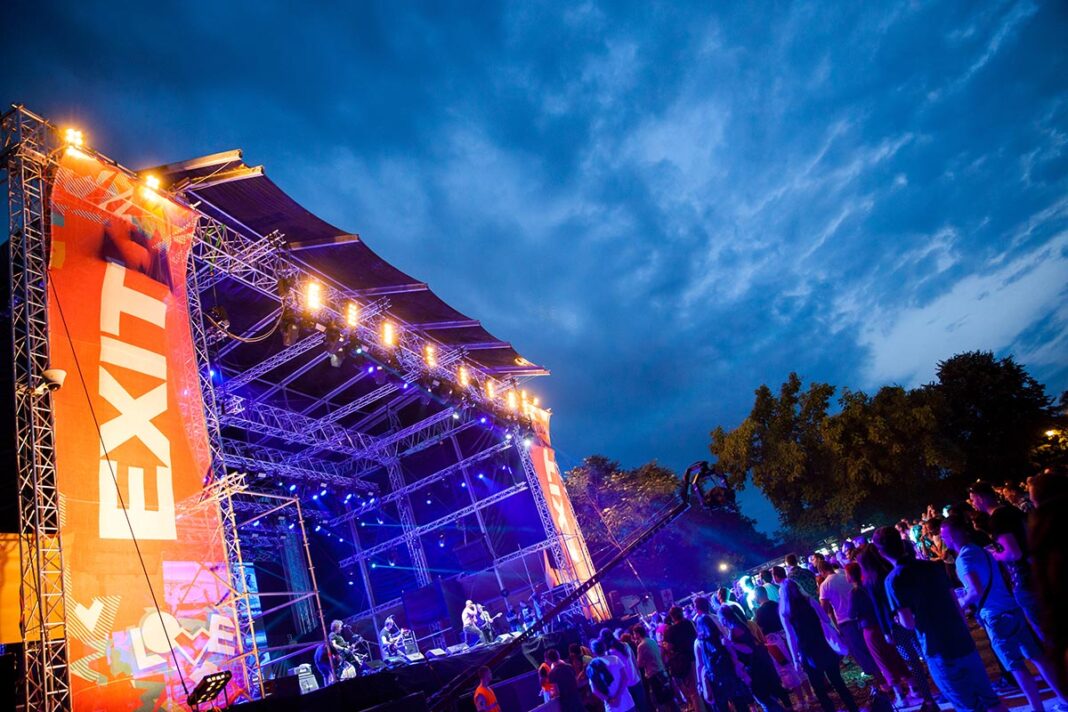
One of the world’s most recognisable music festival brands is entering a new chapter. After decades of shaping Serbia’s cultural and tourism landscape, EXIT is set to relocate key events to Montenegro under a new initiative titled “Exit to Montenegro.”
Following months of negotiations with the Montenegrin government, organisers plan to stage two major festivals alongside several smaller events across the country in 2026. The programme is strategically positioned at the beginning and end of the summer season—timed to extend tourist inflows beyond peak months.
Organisers expect total attendance to exceed 200,000 visitors, with projected economic impact surpassing €40 million. For Montenegro, the move signals more than a festival—it’s a calculated push to strengthen its positioning as a high-value tourism destination.
From Serbia’s Cultural Engine to a Regional Export
EXIT has long been more than a music festival. Over the past two decades, it has become one of Europe’s most awarded large-scale events, earning Serbia three titles for Best Major European Festival. Its economic footprint has been equally significant, generating hundreds of millions of euros in tourism revenue.
International recognition has reinforced its influence. CNN once estimated EXIT’s contribution to Serbia’s global promotion at $80 million annually, while The Economist described its value as effectively immeasurable.
Montenegro as the New Stage
The relocation comes as part of a broader global expansion strategy. EXIT has already announced plans for events at high-profile international locations, including performances near the Egyptian pyramids. Yet, this summer, Montenegro is poised to become the central hub of that expansion.
Particular attention is focused on the expected return of the Sea Dance Festival in Budva. Held between 2014 and 2020 on Jaz and Buljarica beaches, Sea Dance brought global acts such as The Prodigy, Skrillex, Sean Paul and Jamiroquai to Montenegro, quickly establishing the country as a credible player on Europe’s festival circuit.
The festival’s debut success was immediate—it earned the European Festival Award for Best Festival (up to 40,000 daily visitors), cementing its status as one of the region’s standout cultural exports.
A Strategic Shift with Regional Impact
EXIT’s move reflects a broader shift: festivals are no longer just cultural moments—they are economic instruments. For Montenegro, hosting a globally recognised brand offers immediate visibility, extended seasonality, and measurable financial returns.
If execution matches ambition, this summer could mark a turning point—not only for Montenegro’s tourism strategy, but for the evolution of one of Southeast Europe’s most powerful cultural brands.