Speaking at a New Year’s reception for the media on 22 December, she said the election writs would be issued at the beginning of the year, launching what is shaping up to be a highly competitive campaign.
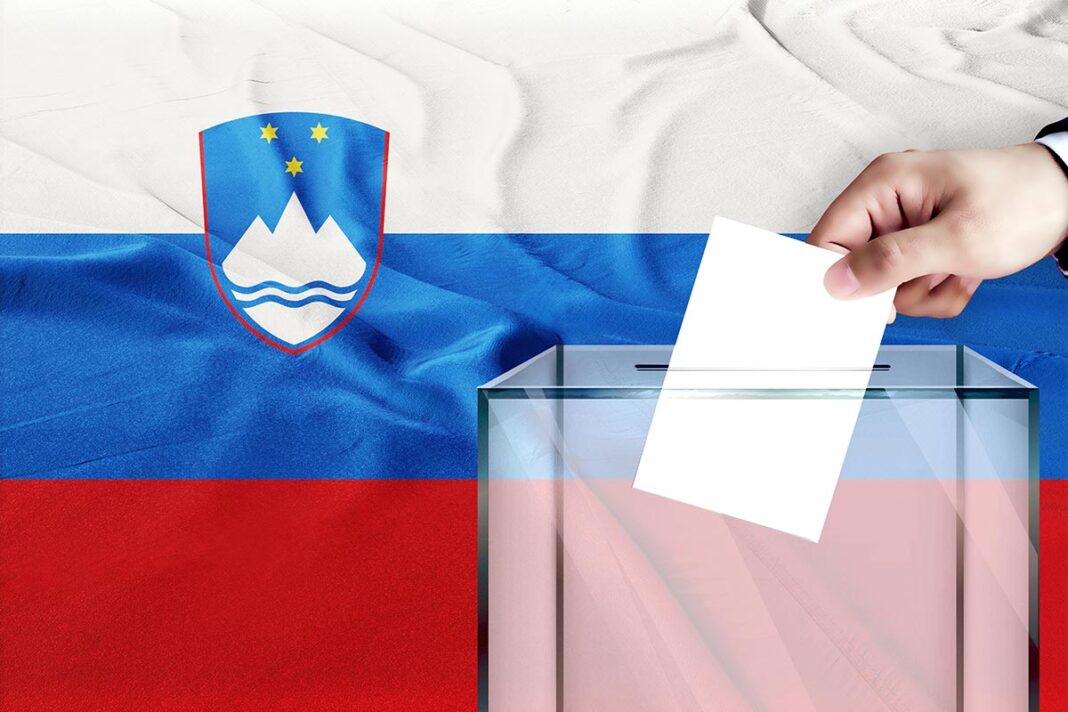
Slovenia enters a pivotal election year in 2026, as the general election in March will be followed by local elections in November.
Under Slovenian law, parliamentary elections must be held between 75 and 135 days before the fourth anniversary of the first session of the current parliament, and within 60 to 90 days after the writs are issued.
The vote will take place amid a fragmented political landscape. Opinion polls suggest coalition-building could be difficult, with the opposition Slovenian Democratic Party (SDS) currently leading, followed closely by the ruling Freedom Movement. New parties on both the left and right have emerged since the last election, while ongoing domestic issues and legal proceedings involving senior politicians are also expected to influence the campaign.