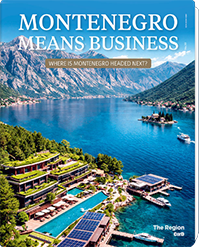
Three leaders shaping Montenegro’s business landscape reflect on the decisions that defined their year — and where they would invest their own money.
Across Montenegro’s economy — from finance and logistics to international business networks — a growing number of women occupy positions where those decisions are made daily. Their responsibilities extend beyond managing organisations; they involve navigating uncertainty, recognising opportunities and shaping the environment in which business operates.
For this special feature, The Region asked three such leaders two simple but revealing questions: What was the most consequential decision they made in the past year, and where would they invest their own money in Montenegro today?
Their answers reveal how experienced decision-makers view the country’s economic future — balancing caution with optimism, and long-term strategy with immediate market realities.
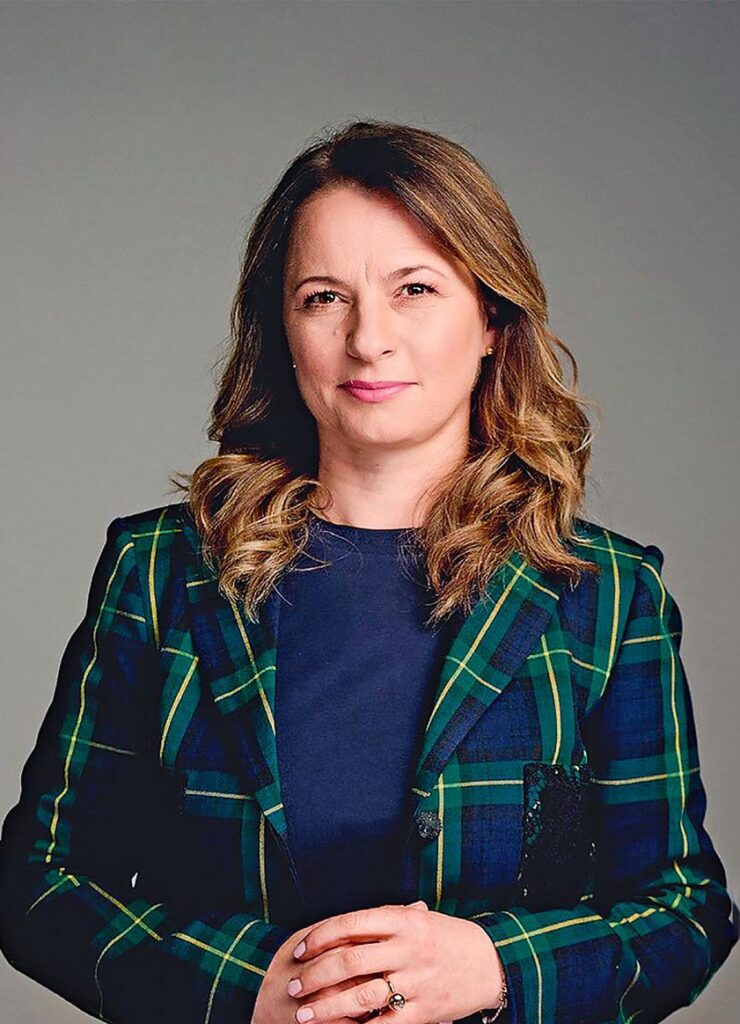
Sanja Ćalasan
President AmCham Montenegro
What was the most consequential business decision you made in the past 12 months — and why did it matter?
The most significant business decision I made in the past year involved supporting an important innovation scheduled to launch in April. The final decision followed months of intensive collaboration with multifunctional teams that worked together to develop a detailed business case.
In a company with a 130-year brewing tradition and a strong market leader such as the Nikšićko brand, introducing a new innovation is never a simple step. Such decisions must be made carefully, particularly in the context of current global and local economic challenges and the scale of the investment involved.
I believe this strategic initiative will open new opportunities for market positioning and further confirm the strength of the company and the people behind its success.
If you were investing your own money in Montenegro today, where would you put it — and what would you avoid?
I would invest in modern senior-living concepts — projects that provide older generations not only with care, but also with safety, dignity, social connection and quality of life. I believe such developments will become increasingly imsustainportant both socially and economically.
On the other hand, I would avoid projects that depend solely on a short tourist season or rely on rapid, unplanned construction without a clear long-term development strategy.
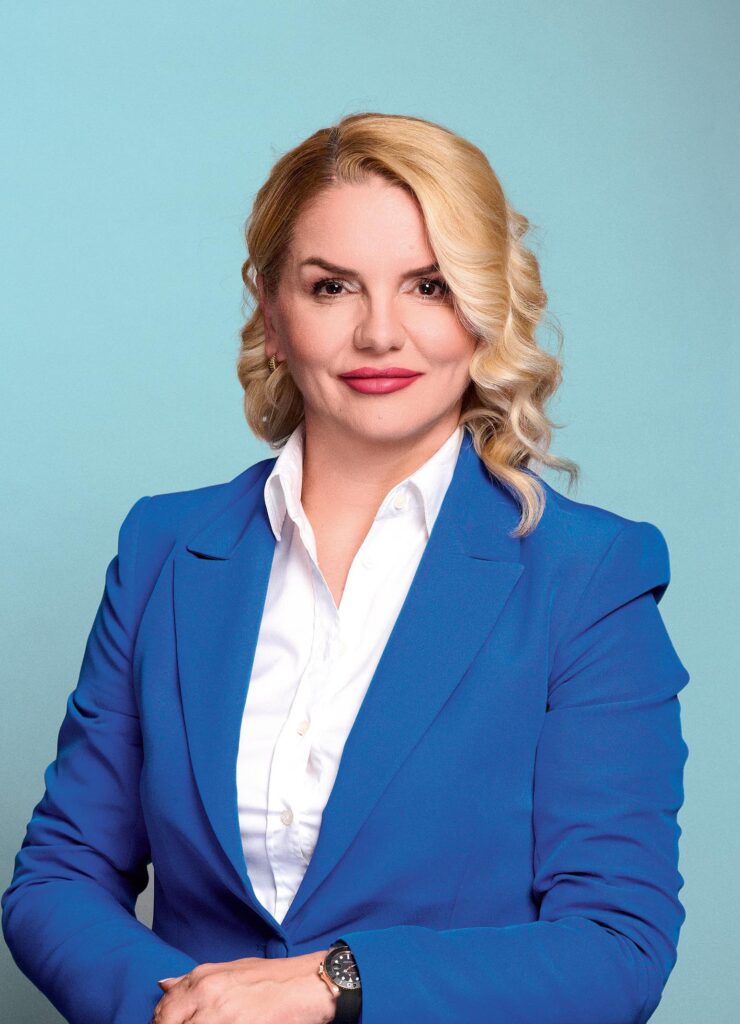
Ana Golubović
Board Member Hipotekarna Banka
What was the most consequential business decision you made in the past 12 months — and why did it matter?
In 2025, Hipotekarna Banka became part of the AIK Group, a development that marked a turning point for the bank and required careful strategic thinking.
Joining a large regional group opened access to capital, knowledge and advanced banking systems, but it also required aligning procedures, risk management practices and organisational standards with the wider group structure.
The most important decision was to treat this process not as a technical adjustment but as an opportunity for deeper transformation. Instead of minimal alignment, we used this moment to strengthen internal standards, refine organisational responsibilities and further develop our teams while preserving our strong understanding of the local market.
Today the bank is organisationally stronger and strategically clearer in its positioning, and our teams have shown they can successfully navigate complex change.
If you were investing your own money in Montenegro today, where would you put it — and what would you avoid?
If I were investing my own capital in Montenegro today, I would focus on sectors with long-term sustainability and clear competitive advantages.
First and foremost, I would invest in renewable energy, particularly solar and wind projects. Montenegro has significant natural potential that has not yet been fully utilised. I also see strong prospects in sustainportant both socially and economically. On the other hand, I would avoid projects that depend solely on a short tourist season or rely on rapid, unplanned construction without a clear long-term development strategy. able tourism, especially boutique and health-focused tourism capable of extending the season, as well as in digital services and technology-based businesses, which benefit from the global growth of remote work.
On the other hand, I would approach cautiously investments driven primarily by speculative real-estate price growth or projects lacking regulatory stability and a clear long-term strategy.
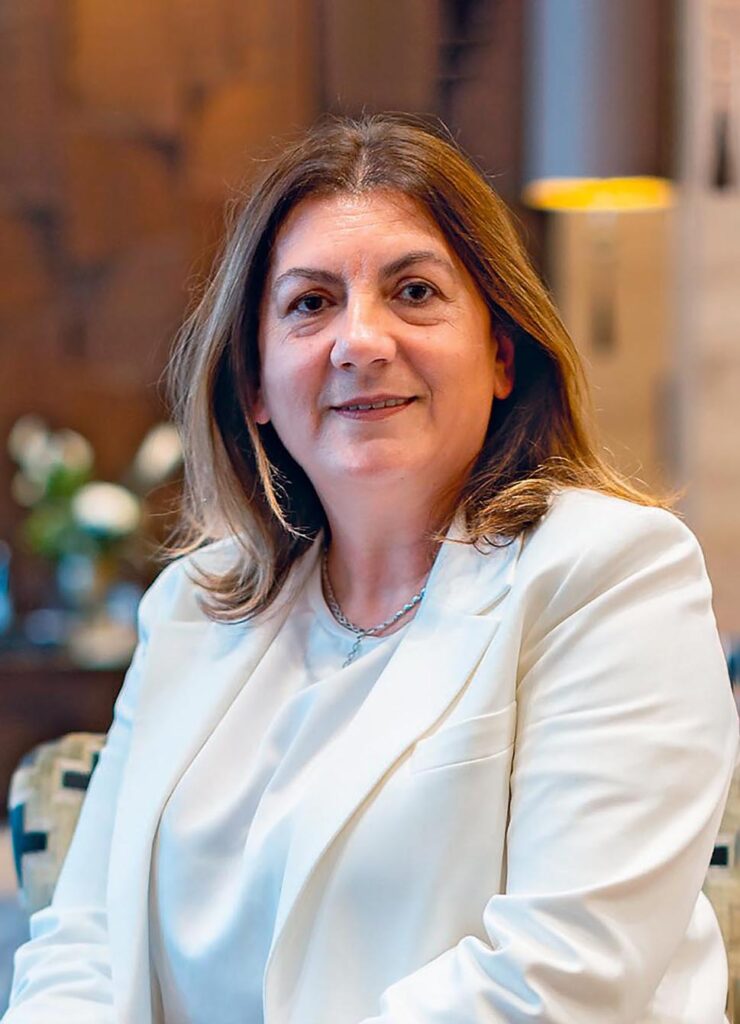
Ljilja Pižurica
Executive Director Nelt MNE
What was the most consequential business decision you made in the past 12 months — and why did it matter?
One of the most important decisions in the past year was the integration of the companies Neregelia and Montenomaks into a single organisation — Nelt MNE.
For us, this was not simply a formal merger. It was an opportunity to combine the strengths of both systems and create additional value for our principals, clients and employees.
Through this integration we were able to offer partners complete distribution and logistics support from a single platform, while increasing operational efficiency, reliability and stability.
The move strengthened the company and confirmed our readiness to respond to market needs faster, more innovatively and with higher quality. It also reminded us that the most demanding decisions often generate the greatest longterm value.
If you were investing your own money in Montenegro today, where would you put it — and what would you avoid?
I would invest in sectors with longterm strategic importance, particularly renewable energy, infrastructure and real estate connected to the growth of tourism.
At the same time, I would invest in technology platforms and innovative industrial solutions, as digitalisation and innovation are key to strengthening Montenegro’s long-term economic competitiveness.
I would be cautious about projects focused solely on rapid shortterm profit without creating lasting value for the economy or the wider community.
IF MONTENEGRO WERE A PORTFOLIO
Think of Montenegro not as a country, but as an investment portfolio. Some sectors resemble stable, longterm assets. Renewable energy, supported by abundant natural resources, continues to attract investors seeking predictable returns and strategic relevance in the energy transition.
Tourism remains the portfolio’s flagship asset, but the question increasingly is not whether to invest, but how — with projects that extend the season and focus on quality rather than scale.
Meanwhile, emerging opportunities lie in areas that barely existed a decade ago: digital services, technology platforms and specialised knowledge industries that can grow independently of the country’s physical size.
Like any portfolio, Montenegro rewards diversification. The most successful investors will likely be those who look beyond the obvious and build for the long term.
