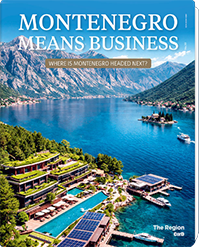
Forget forecasts. What matters are pressure points — the things that quietly decide winners and losers long before anyone writes a strategy paper.
Here are three.
1. Talent will decide speed
Capital follows clarity. But talent decides pace. Montenegro doesn’t need millions of workers — it needs the right ones to stay, return, and grow. The risk isn’t brain drain alone; it’s stagnation through scarcity. Countries that move fastest are those that make careers possible, not just businesses profitable.
2. Energy prices will define competitiveness
Not ideology. Arithmetic. Energy costs will quietly shape which industries expand, which relocate, and which never arrive. Stability, predictability, and grid reliability will matter more than slogans. Cheap power isn’t a luxury — it’s a strategy.
3. Space will become the real asset
The coast is finite. The north is underused. Infrastructure decides which one wins. By 2030, the smartest investments won’t chase square meters — they’ll chase access. Roads, energy, digital reach. Space without connection is scenery. Connected space is an economy.
The takeaway
Montenegro doesn’t need to be louder.
It needs to be clearer.
Clear about who it’s for.
Clear about what it rewards.
Clear about what it will no longer tolerate.
That’s how small economies win long games.
