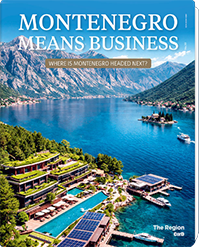
For a country defined by coastline, Cetinje made an unlikely choice. It turned inland—and stayed there.
While Adriatic ports traded, expanded and learned the language of visibility, Cetinje opted for altitude, isolation and restraint. It never chased ships or scale. It never tried to compete with the coast. Instead, it became something else entirely: a seat of power that resisted spectacle.
This was not an accident of geography. It was strategy.
Tucked beneath Mount Lovćen, Cetinje grew as a political and spiritual centre precisely because it was hard to reach. Distance offered protection. Modesty offered durability. In a region shaped by empires and incursions, the town’s inward gaze became a form of defence—and later, a defining habit.
Cetinje did not grow rich. It grew authoritative.
When Montenegro emerged as a modern state, its institutions took shape here, not along the shorelines where influence came and went with tides and trade. Power in Cetinje was quiet, administrative, deliberate. Decisions were made away from ports, away from foreign eyes, away from urgency. The town became a place where time slowed—and where continuity mattered more than momentum.
That legacy still lingers.
Cetinje never became large, and it never tried to. There are no grand boulevards or dominant skylines. The architecture avoids bravado. Streets feel measured, even hesitant. For visitors, it can seem subdued—almost unfinished. But that understatement is the point. Cetinje was designed to endure, not impress.
In a subtle way, this shaped Montenegro’s broader political temperament. Authority without excess. Presence without expansion. A preference for balance over dominance. Even today, national identity draws as much from this inland restraint as from the confidence of the coast.
There is a reason Montenegro has no megacity, no singular urban centre that absorbs power and attention. Influence has always been distributed—by terrain, by history, by habit. Cetinje helped set that pattern.
Its refusal of the coast also produced an unusual relationship with modernity. While coastal towns learned to adapt quickly—absorbing waves of tourism, investment and reinvention—Cetinje moved cautiously. Change here has always been filtered through memory. Progress was permitted, but never rushed.
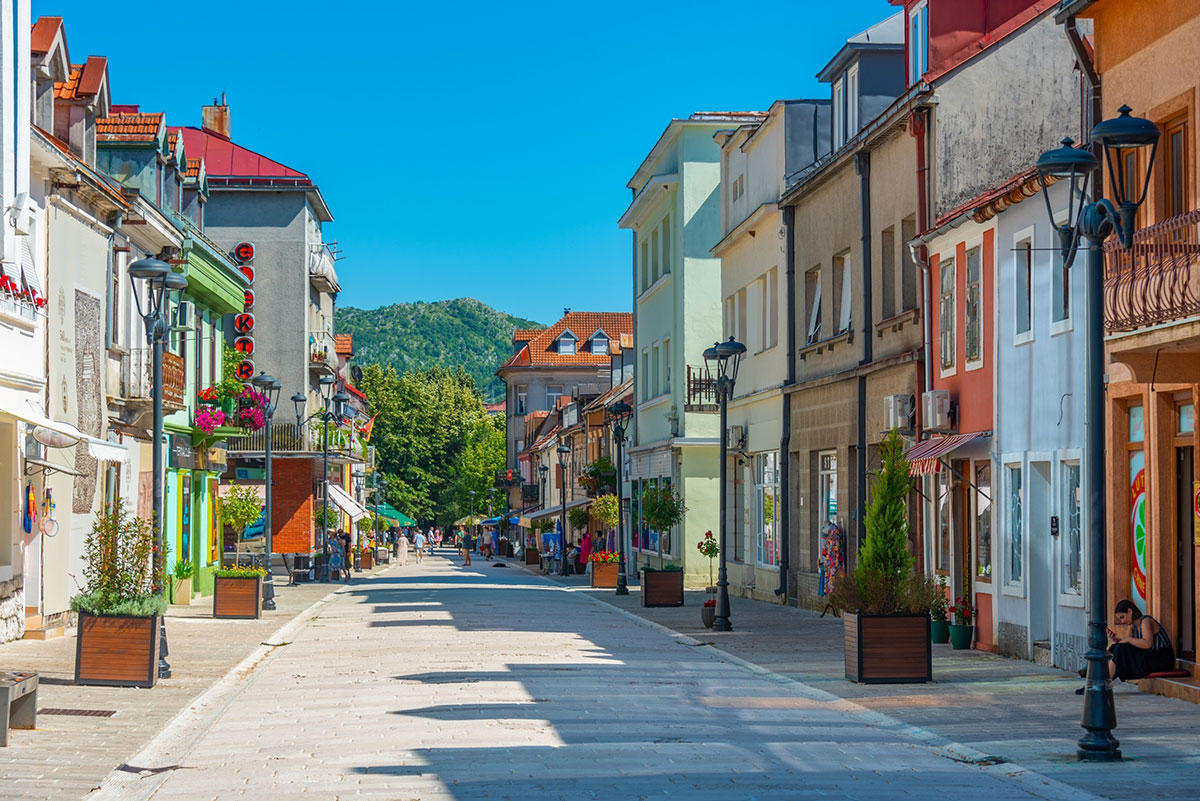
Critics sometimes call this stagnation. Supporters call it dignity. Both miss the deeper point.
Cetinje’s real contribution lies not in what it built, but in what it declined. It declined scale. It declined speed. It declined the need to be seen. In doing so, it preserved a model of authority that values credibility over volume—a trait that continues to surface in Montenegro’s political and institutional culture.
In a business-focused conversation, that may seem abstract. But investors often discover it the hard way: Montenegro does not respond well to pressure theatrics. It prefers patience. It listens carefully. It moves when it is ready.
Cetinje taught the country that power does not have to announce itself to be effective.
Today, the town stands quieter than ever. Ministries have moved. Attention has shifted. Yet Cetinje remains essential—not as a centre of action, but as a reminder of intent. It anchors Montenegro’s sense of proportion.
The coast may define how the country is seen.
Cetinje explains how it thinks.
And in a region where visibility often masquerades as strength, that refusal still matters.
